Zinc and Immunity: Essential Role and Recommended Intake
DANKEPHARM · 10 min read · Immunity · 03/08/2026
Zinc is a fundamental trace element for numerous biological processes, including the normal function of the immune system. Discover its importance, dietary sources, and daily requirements.
The Importance of Zinc in the Body
Zinc is an essential trace element, meaning the human body cannot produce it on its own and must obtain it through diet. Present in every cell, zinc participates in a multitude of enzymatic reactions, acting as a cofactor for over 300 enzymes. Its role extends from DNA and RNA synthesis to maintaining the structural integrity of proteins and cell membranes. These diverse functions highlight its importance for growth, development, and maintaining overall health.
Zinc and Immune System Support
One of zinc's most recognized roles is its contribution to the normal function of the immune system. Zinc is involved in the development and function of immune cells, such as T and B lymphocytes, which are essential for the body's immune response. It also contributes to the integrity of physical barriers, such as the skin and mucous membranes, which represent the first line of defense against pathogens. An adequate intake of zinc is important for maintaining the body's ability to defend itself.
The Role of Zinc in Key Cellular Processes
Cell Division
Zinc plays a crucial role in cell division processes. It is involved in DNA synthesis and cellular replication, fundamental processes for growth, tissue repair, and the constant renewal of cells in the body. In the context of the immune system, rapid cell division is vital for the proliferation of immune cells needed during an immune response, thereby ensuring effective body defense. Without sufficient zinc intake, these processes can be compromised.
Macronutrient Metabolism
In addition to its role in cell division, zinc contributes to the normal metabolism of macronutrients – carbohydrates, proteins, and fats. It is involved in the activity of digestive enzymes and the efficient utilization of nutrients by the body. Proper macronutrient metabolism provides the energy and building blocks necessary for the optimal functioning of all body systems, including the immune system, which is a high consumer of energy and nutrients.
Recommended Zinc Intake and Food Sources
A daily intake of 15 mg of zinc is often mentioned in discussions regarding supplementation; however, the specific requirement can vary depending on age, sex, and individual physiological conditions. It is important to consult with a nutritionist or doctor to determine the optimal dose. This intake can contribute to maintaining the body's functions that depend on zinc.
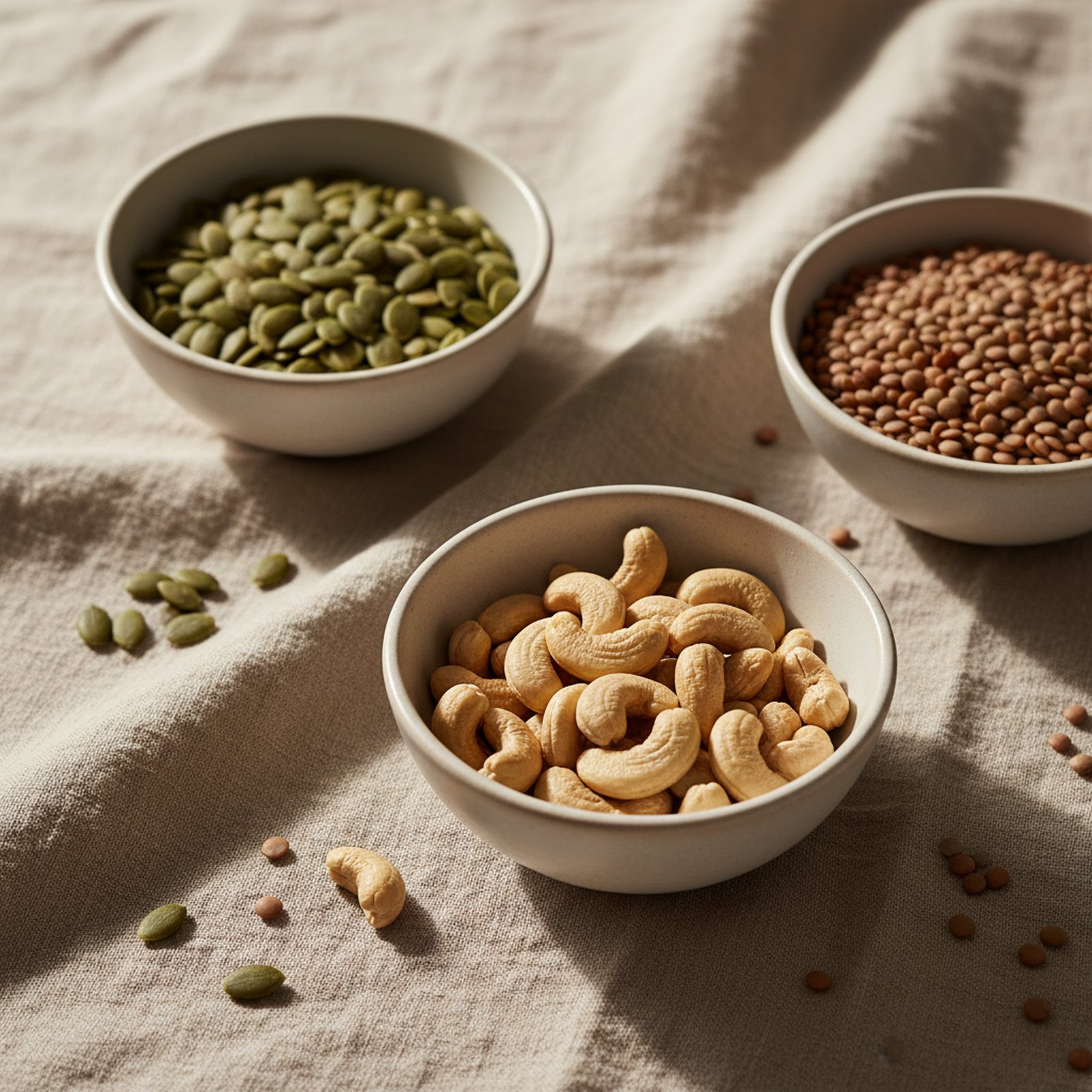
Food sources rich in zinc include a variety of products. Red meat, especially beef and lamb, and seafood, such as oysters, crabs, and lobsters, are excellent sources. Legumes, such as chickpeas, lentils, and beans, pumpkin seeds, cashews, almonds, and dairy products like milk and cheese, also contain significant amounts of zinc. Including these foods in a balanced diet can help ensure an adequate zinc intake.
Who is at a Higher Risk of Insufficient Intake?
Certain categories of people may have an increased risk of not getting enough zinc from their diet. These include vegetarians and vegans, as zinc from plant-based foods is less bioavailable than from animal products, and their diet may contain phytates, compounds that inhibit zinc absorption. Pregnant and lactating women have increased zinc needs to support both their own health and the development of the fetus or infant. Individuals with certain gastrointestinal conditions, such as Crohn's disease or ulcerative colitis, may have reduced zinc absorption. Also, excessive alcohol consumption can negatively affect zinc status in the body. Elderly individuals may have reduced dietary intake or impaired nutrient absorption, increasing the risk of deficiency. It is important for these groups to pay close attention to their zinc intake and discuss possible optimization strategies with a healthcare professional.
Frequently Asked Questions
What role does zinc play in the immune system?
Zinc contributes to the normal function of the immune system. It is involved in the development and function of immune cells, such as lymphocytes, and contributes to the integrity of the body's physical barriers. An adequate intake of zinc is important for maintaining the body's defense capacity.
What are the main dietary sources of zinc?
Zinc is found in a variety of foods. Among the best sources are red meat, seafood (especially oysters), legumes, seeds (pumpkin, sesame), nuts (cashews, almonds), and dairy products. A varied and balanced diet can ensure an adequate intake.
How much zinc should I take daily?
Zinc intake recommendations can vary based on age, sex, and individual needs. An intake of 15 mg of zinc per day is often mentioned in the context of supplementation, but it is advisable to consult a doctor or nutritionist for a personalized recommendation. It is important not to exceed the maximum permissible dose.
Who should be more careful about zinc intake?
Vegetarians and vegans, pregnant or lactating women, individuals with certain digestive conditions, and the elderly may have an increased risk of insufficient zinc intake. Also, individuals who consume excessive alcohol should be careful. It is recommended to discuss with a specialist to assess and optimize zinc intake.
Conclusion
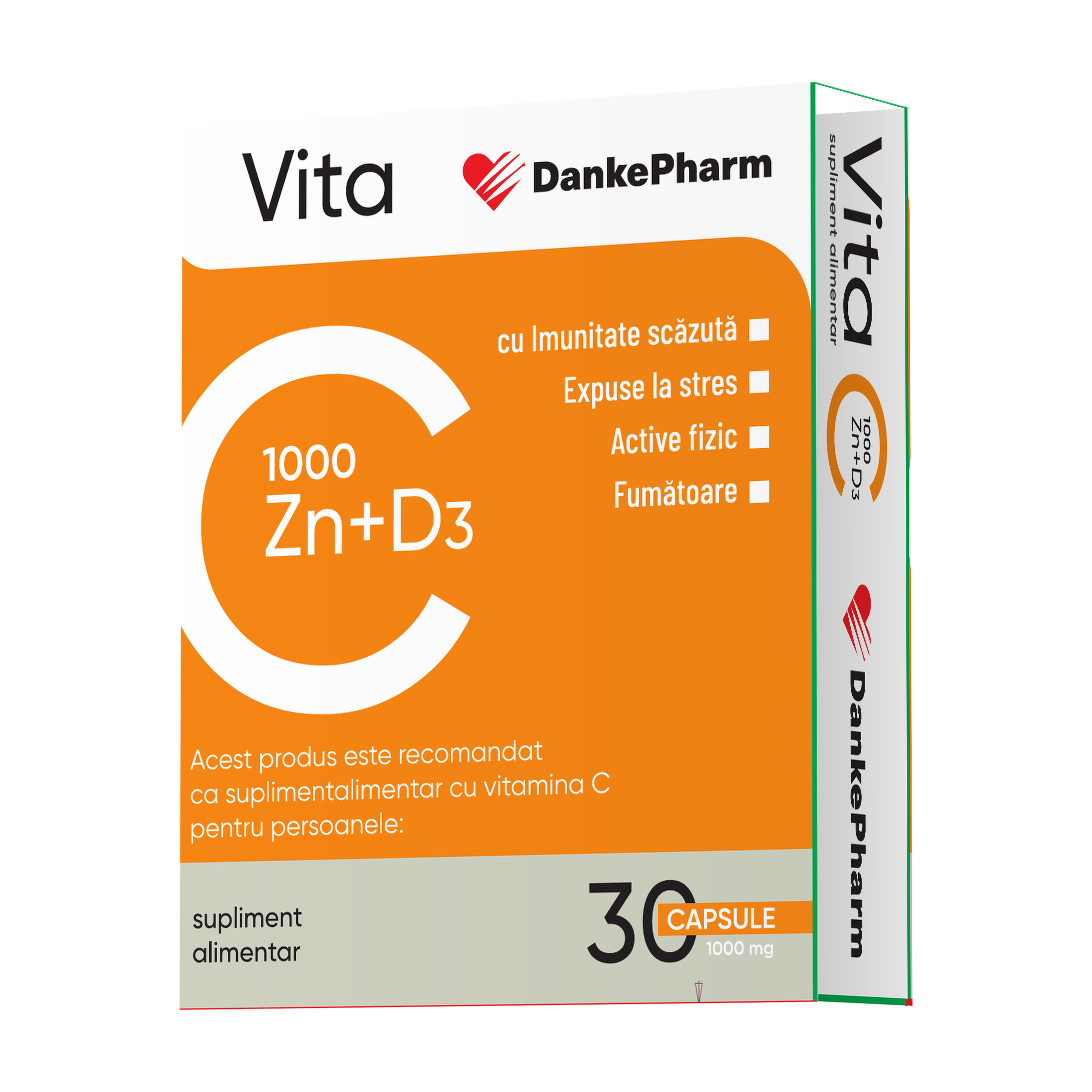
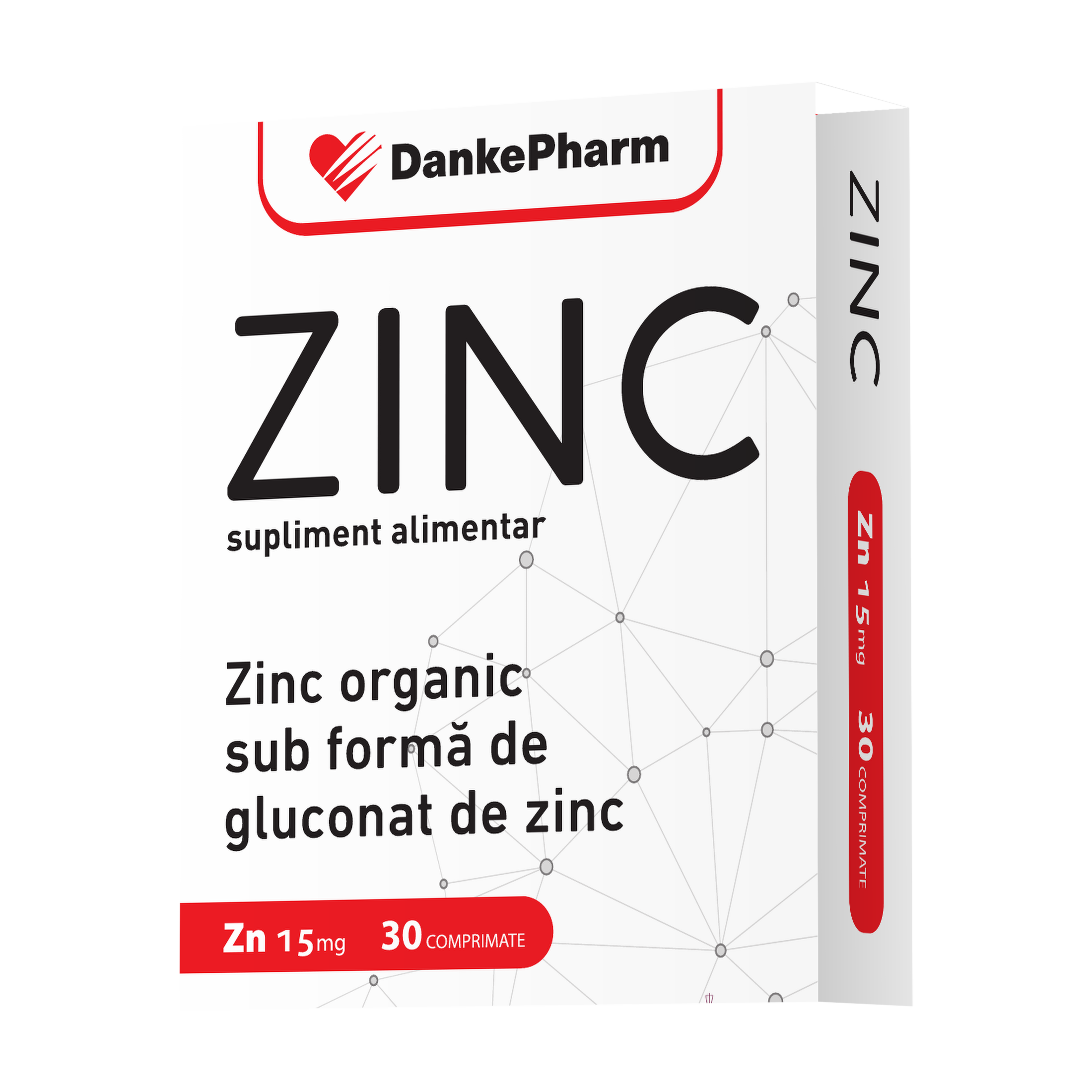
Zinc is a trace element with multiple roles in the body, contributing to the normal function of the immune system, cell division, and macronutrient metabolism. Ensuring an adequate intake of zinc through diet or, if necessary, through food supplements, can support these vital processes. DANKEPHARM products, such as DANKEPHARM Zinc 15 mg or DANKEPHARM Vita C 1000 Zn D3, can offer a solution for supplementing zinc intake, alongside other vitamins. It is important to remember that food supplements should not replace a varied and balanced diet and a healthy lifestyle. Always consult a specialist before starting any supplementation regimen.
The information in this article is general and does not replace advice from a doctor or pharmacist. Food supplements are not a substitute for a varied, balanced diet and a healthy lifestyle.
- #zinc
- #imunitate
- #micronutrienti