Vitamin C in Seasonal Transitions: An Essential Role
DANKEPHARM · 8 min read · Immunity · 03/08/2026

The transition between seasons often presents challenges for the body, from temperature variations to busy schedules and fluctuating nutritional intake. Vitamin C, a water-soluble nutrient, plays a fundamental role in maintaining health during these periods.
The Importance of Vitamin C in the Context of Seasonal Changes
As we face the transition from one season to another, the human body undergoes continuous adaptations. Temperature variations, specific dietary habits, and the accelerated pace of modern life can influence how our bodies function. In this context, an adequate intake of vitamins and minerals becomes crucial, and Vitamin C stands out due to the multitude of functions it performs in the body. It contributes to the normal function of the immune system, an aspect particularly important when the environment changes, and our body needs additional support to adapt.
Body Adaptation to Temperature Fluctuations
Sudden temperature changes, characteristic of transition periods, can place demands on the human body. The body's ability to thermoregulate and maintain homeostasis is essential. Vitamin C contributes to the reduction of tiredness and fatigue, thereby helping to maintain an optimal energy level even under conditions of environmental stress. The metabolic processes in which vitamin C participates are diverse, supporting key functions that enable the body to cope with external challenges.
Vitamin C: A Vital Nutrient Requiring Daily Intake
Vitamin C, also known as ascorbic acid, is an essential vitamin for the proper functioning of the body. Unlike most mammals, humans cannot synthesize Vitamin C endogenously, meaning they must obtain it exclusively through diet or supplements. As a water-soluble vitamin, Vitamin C is not stored in large quantities in the body, and excess is eliminated through urine. This underscores the necessity of a constant and daily intake to maintain optimal concentrations in tissues and ensure the efficient functioning of biological systems.
The Antioxidant and Collagen-Forming Role of Vitamin C
One of the most well-known roles of Vitamin C is that of a powerful antioxidant. It contributes to the protection of cells from oxidative stress, a process involved in cellular damage caused by free radicals. In addition to its antioxidant action, Vitamin C is indispensable for the synthesis of collagen, a major structural protein found in skin, bones, cartilage, blood vessels, and teeth. Through its contribution to normal collagen formation, Vitamin C supports the normal function of these structures, having a beneficial impact on tissue integrity.
The Impact of Lifestyle and Modern Diet
In the fast pace of contemporary life, busy schedules can often compromise a balanced diet rich in essential nutrients. Preparing meals at home with fresh ingredients can become a challenge, and reliance on processed foods or quick meals can lead to a poorer intake of fruits and vegetables. Fruits and vegetables, especially seasonal ones, are primary sources of Vitamin C. When these are missing from the diet or consumed in insufficient quantities, the risk of suboptimal Vitamin C intake increases.
Diet in Cold Periods and Reduced Availability of Fresh Fruits and Vegetables
During cold seasons, the availability and variety of fresh fruits and vegetables decrease in many regions. Although many foods are available year-round due to imports and preservation techniques, their Vitamin C content can be affected by prolonged storage and processing. Consuming fresh, raw, or minimally cooked fruits and vegetables is essential to ensure maximum vitamin intake. In periods when these are not readily available, or dietary preferences do not include enough Vitamin C-rich sources, supplementation can be an option to maintain an adequate level of this nutrient.
Optimal Vitamin C Dosage: Perspectives and Recommendations
The recommended daily dose of Vitamin C varies depending on age, sex, lifestyle, and general health status. During periods of increased demands on the body, such as seasonal changes, many nutrition specialists consider that an intake between 500 mg and 1000 mg per day can be beneficial to support body functions. This amount is considered safe and effective for most adults, contributing to the maintenance of adequate Vitamin C reserves and supporting the immune system and other physiological processes.
It is important to note that doses can be adjusted individually, and it is always recommended to discuss with a healthcare professional before starting any supplementation regimen, especially in the case of pre-existing medical conditions or concomitant administration with other medications. A constant intake of Vitamin C can contribute to general well-being, especially at times when the body needs additional support to maintain its vitality and resilience.
Frequently Asked Questions
Why is Vitamin C considered essential?
Vitamin C is considered essential because the human body cannot produce it itself or store it in significant quantities. Therefore, a regular, daily intake from external sources is necessary to ensure the proper functioning of its numerous roles in the body.
Can Vitamin C prevent colds?
Vitamin C contributes to the normal function of the immune system. It cannot be claimed that it prevents colds, but an adequate intake of Vitamin C can support the body's defense mechanisms.
What are the main dietary sources of Vitamin C?
Main dietary sources of Vitamin C include citrus fruits (oranges, lemons, grapefruit), kiwi, strawberries, bell peppers (red and green), broccoli, Brussels sprouts, and tomatoes. Regular consumption of these foods can ensure a valuable intake of Vitamin C.
Are there risks associated with consuming too much Vitamin C?
Being a water-soluble vitamin, excess Vitamin C is generally eliminated from the body. However, very high doses, far exceeding those recommended, can lead to digestive discomfort in some individuals. It is recommended to adhere to the doses indicated on product packaging or consult a specialist.
Conclusion
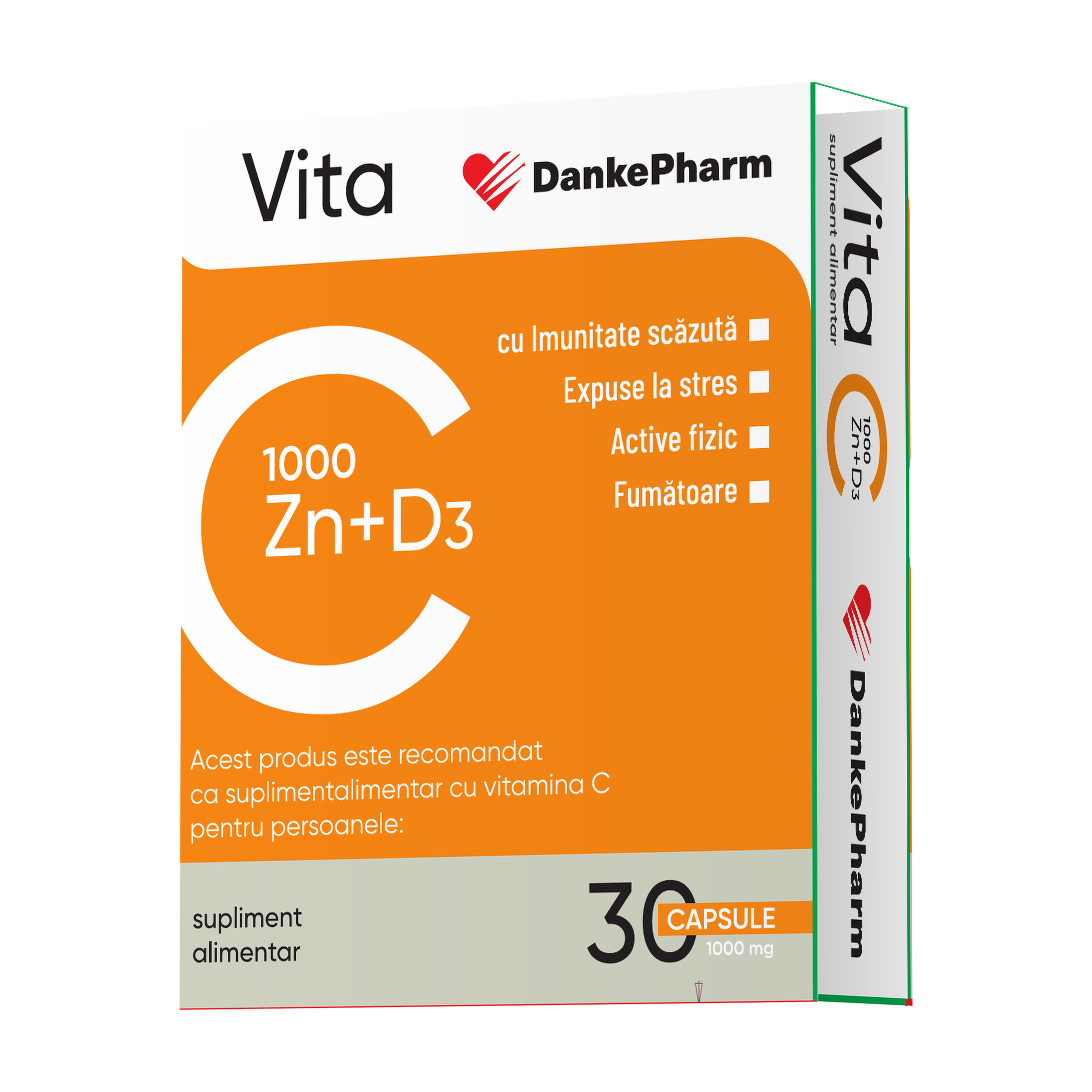
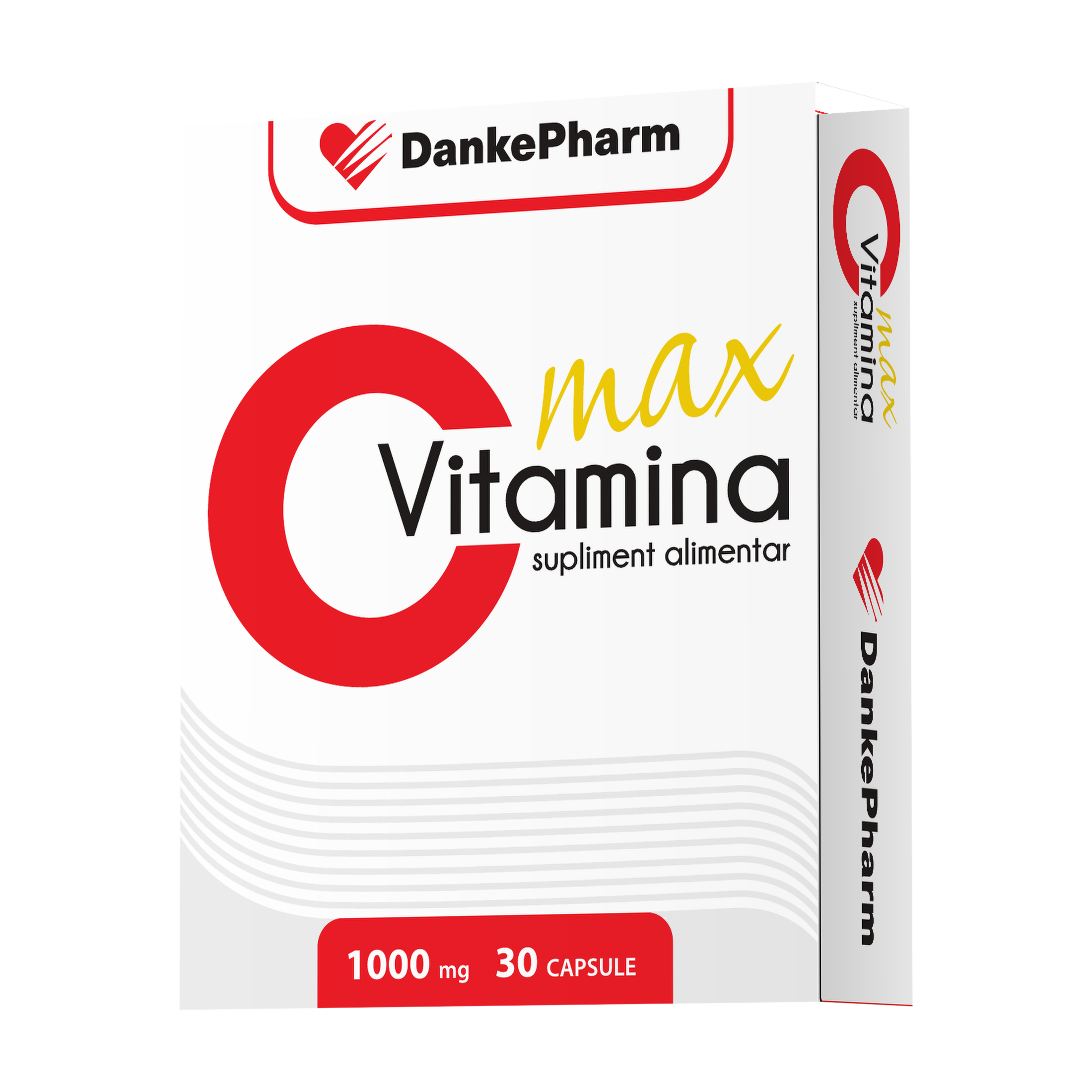
Adopting a balanced lifestyle and a varied diet rich in nutrients are the pillars of optimal health, especially during seasonal transition periods. At times when ensuring a sufficient intake of Vitamin C through diet can be a challenge, supplementation with Vitamin C can be a way to support the proper functioning of the body. DANKEPHARM products, such as Vita C max or Vita C 1000 Zn D3, are formulated to contribute to an adequate intake of Vitamin C and other essential nutrients. Remember that food supplements should not replace a varied and balanced diet and a healthy lifestyle.
The information in this article is general and does not replace advice from a doctor or pharmacist. Food supplements are not a substitute for a varied, balanced diet and a healthy lifestyle.
- #vitamina C
- #sezon
- #imunitate