Plant Extracts and Immune Support: A Balanced Perspective
· 8 min read · Immunity · 03/08/2026
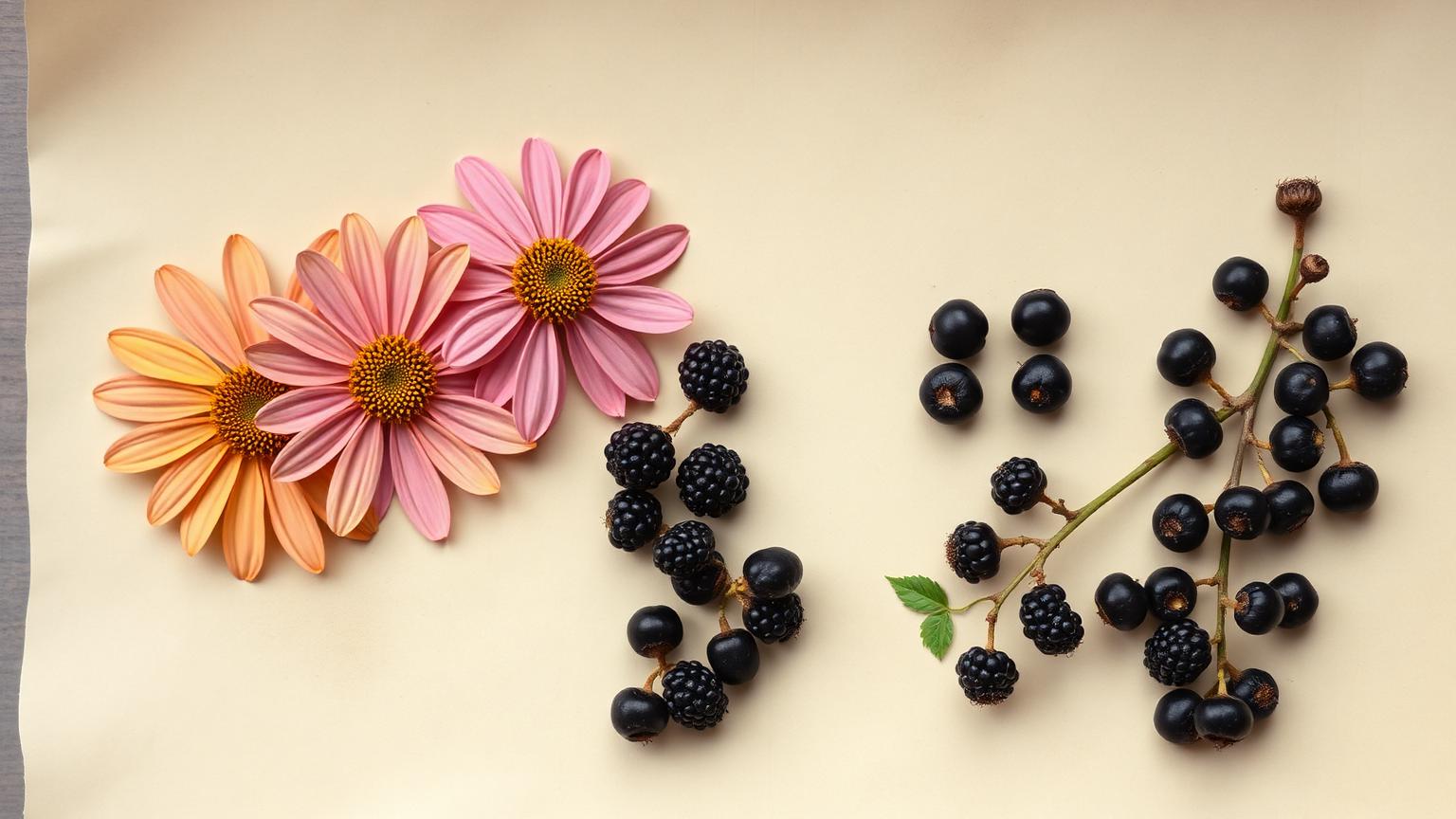
We explore plant extracts such as echinacea, rosehip, sea buckthorn, and propolis, recognized for their nutritional contribution and role in maintaining health, within the context of European regulations.
The immune system represents a complex ensemble of cells and processes that work in harmony to maintain the body's integrity. A balanced lifestyle, including a varied diet and a regular exercise program, is fundamental for its proper functioning. In addition to these pillars, certain plant extracts have been traditionally used and continue to be studied for their potential to contribute to a range of physiological functions.
Echinacea: A Plant with Tradition
Echinacea, especially the species Echinacea purpurea, Echinacea angustifolia, and Echinacea pallida, is one of the best-known plants used for general well-being support. The active constituents of echinacea include alkylamides, polysaccharides, and caffeic acid derivatives, substances that have been the subject of numerous scientific research. In traditional medicine, echinacea has been valued for its role in supporting the body's natural defense mechanisms. It is important to note that studies on echinacea focus on how it may contribute to the normal function of the immune system, without making promises regarding the treatment or prevention of conditions.
Rosehip and Sea Buckthorn: Sources of Nutrients
Rosehips (Rosa canina) are the fruits that form after the wild rose blooms and are recognized for their rich vitamin C content. This vitamin is an essential nutrient that contributes to the normal function of the immune system, to the reduction of tiredness and fatigue, and to the protection of cells from oxidative stress. In addition to vitamin C, rosehips also contain flavonoids and carotenoids, compounds with antioxidant potential. Regular consumption of rosehips, whether as an extract, tea, or syrup, can be a natural way to supplement the intake of vitamin C and other valuable nutrients.
Sea buckthorn (Hippophae rhamnoides), also known as "Romanian ginseng," is a remarkable plant due to its complex nutritional profile. Sea buckthorn fruits are a rich source of vitamins (A, C, E, F, K, P, B complex), essential fatty acids (omega-3, -6, -7, -9), minerals, and bioactive compounds such as flavonoids and carotenoids. This combination of nutrients makes sea buckthorn extract valuable for supporting the body's general tonicity and for its contribution to maintaining the normal functions of the immune system. Like rosehips, sea buckthorn offers ample nutritional support, beneficial for general well-being.
Propolis: The Hive Product
Propolis is a resinous substance collected by bees from plant buds and other botanical sources. Bees use propolis to seal and disinfect the hive. The chemical composition of propolis is extremely varied and depends on the plant sources from which it is collected, including resins, balms, essential oils, pollen, and a wide range of phenolic compounds, such as flavonoids. Propolis has been used for centuries in traditional medicine for various purposes, including to contribute to the maintenance of healthy mucous membranes and the oral cavity. Although it is often associated with immune support, permitted claims are limited to its role in maintaining general health and well-being, without stating specific therapeutic actions.
How to Integrate Plant Extracts into Daily Routine
Integrating plant extracts like those mentioned into a daily routine can be done through food supplements. DANKEPHARM, through its Imun Revigo product, offers a formula that combines some of these ingredients, designed to contribute to the normal function of the immune system. It is essential to respect the recommended doses and instructions for use on the product packaging. Before starting any supplementation, it is recommended to discuss with a healthcare professional, especially if you have pre-existing medical conditions or are undergoing other treatments. Food supplements are designed to complement a varied and balanced diet, not to replace it.
Limitations and the Importance of a Balanced Perspective
It is fundamental to understand that, in accordance with European legislation on health claims, food supplements cannot claim to prevent, treat, or cure diseases. Permitted claims are strictly limited to contributing to the normal functioning of various body systems. The consumption of plant extracts must be viewed as part of a holistic approach to health, which includes a nutritious diet, regular physical activity, adequate sleep, and stress management. The information presented here is intended for a general audience and does not replace personalized medical advice. A responsible and informed approach is key to maximizing the potential of these extracts, within the limits permitted by current regulations.
The information in this article is general and does not replace advice from a doctor or pharmacist. Food supplements are not a substitute for a varied, balanced diet and a healthy lifestyle.
- #plante
- #imunitate
- #antioxidanti