Daily Habits for a Healthy Immune System
DANKEPHARM · 10 min read · Immunity · 03/08/2026

Adopting simple daily habits can significantly contribute to maintaining a robust immune system. From sleep and nutrition to stress management, every step counts in supporting health.
The Importance of a Balanced Immune System
The immune system represents a complex network of cells, tissues, and organs that work together to protect the body. Its normal functioning is essential for maintaining health and coping with daily challenges. A balanced immune system contributes to overall well-being and the body's ability to adapt to various situations. By adopting healthy practices, we can support this vital system in fulfilling its role.
Pillars of Immune Health: Sleep and Movement
Regular Sleep: An Essential Ally
Adequate rest is fundamental for the proper functioning of the immune system. During sleep, the body recovers, and immune processes are optimized. Chronic sleep deprivation can negatively impact the body's ability to maintain its balance. General recommendations suggest 7-9 hours of quality sleep per night for adults, but individual needs may vary. Establishing a regular sleep schedule, including on weekends, can help regulate the circadian rhythm and support immune functions.
Moderate Movement: Multiple Benefits
Regular physical activity, performed at a moderate intensity, contributes to maintaining overall health, including the immune system. Exercise can support blood and lymphatic circulation, processes essential for the transport of immune cells. It is important to note that overtraining or extreme physical effort can, on the contrary, have an exhausting effect on the body. Daily walks, swimming, cycling, or yoga are examples of activities that can be integrated into a daily routine to provide benefits without overstressing the body.
Nutrition and Targeted Supplementation
The Role of Fruits and Vegetables
A diet rich in fresh fruits and vegetables is an important pillar for supporting the immune system. These provide vitamins, minerals, antioxidants, and fiber—essential nutrients that contribute to the normal functioning of various biological processes, including immune ones. A diversity of colors on the plate can ensure a varied intake of beneficial compounds. Regular consumption of whole, unprocessed foods is preferable to obtain maximum nutrients.
Vitamin D in the Cold Season: Special Attention
Vitamin D is recognized for its role in numerous bodily functions, including its contribution to the normal functioning of the immune system. Especially during the cold season, when sun exposure is limited, maintaining adequate vitamin D levels can be a challenge. Fortified foods or food supplements can be a solution to ensure sufficient intake, particularly in months with less sun. It is important to adhere to recommended doses and consult a specialist before beginning any supplementation.
Stress, Hygiene, and Hydration: Often Underestimated Factors
Stress Management: Impact on Health
Chronic stress can impact the body's overall balance, including the immune system. Adopting stress management techniques, such as meditation, breathing exercises, spending time in nature, or hobbies, can contribute to maintaining emotional and physical balance. Recognizing and addressing sources of stress are important steps to support the body's resilience.
Personal Hygiene: The First Line of Defense
Practicing adequate personal hygiene, especially regular hand washing, helps reduce exposure to external agents. This simple but effective measure can reduce the load to which the immune system is exposed daily, allowing it to focus on other aspects. Respiratory hygiene, such as covering the mouth and nose when coughing or sneezing, is also important.
Optimal Hydration: An Essential Transporter
Sufficient fluid intake is vital for all bodily functions, including immune ones. Water plays a crucial role in transporting nutrients, eliminating waste, and maintaining the integrity of mucous membranes, which represent an important barrier. Regular consumption of water, unsweetened teas, or soups can help maintain optimal hydration.
Frequently Asked Questions
How important is sleep for the immune system?
Sleep plays a fundamental role in the regeneration and optimization of immune functions. Chronic sleep deprivation can negatively impact the body's ability to maintain its balance. Ensuring 7-9 hours of sleep per night is a recommended practice for supporting health.
Can vitamin D supplements help in the cold season?
In the cold season, when sun exposure is limited, maintaining adequate vitamin D levels can be difficult. Vitamin D contributes to the normal functioning of the immune system. Supplementation, under the guidance of a specialist and at recommended doses, can be an option to ensure sufficient intake.
How does stress influence the immune system?
Chronic stress can impact the body's overall balance, including the immune system. Adopting stress management techniques, such as meditation or relaxation exercises, can contribute to maintaining emotional balance and supporting the body's resilience.
Is intense physical activity better for immunity?
Moderate physical activity is generally considered beneficial for the immune system. Intense exercise or overtraining can, on the contrary, put excessive strain on the body. It is important to find a balance and choose physical activities appropriate for an individual's fitness level.
Conclusion
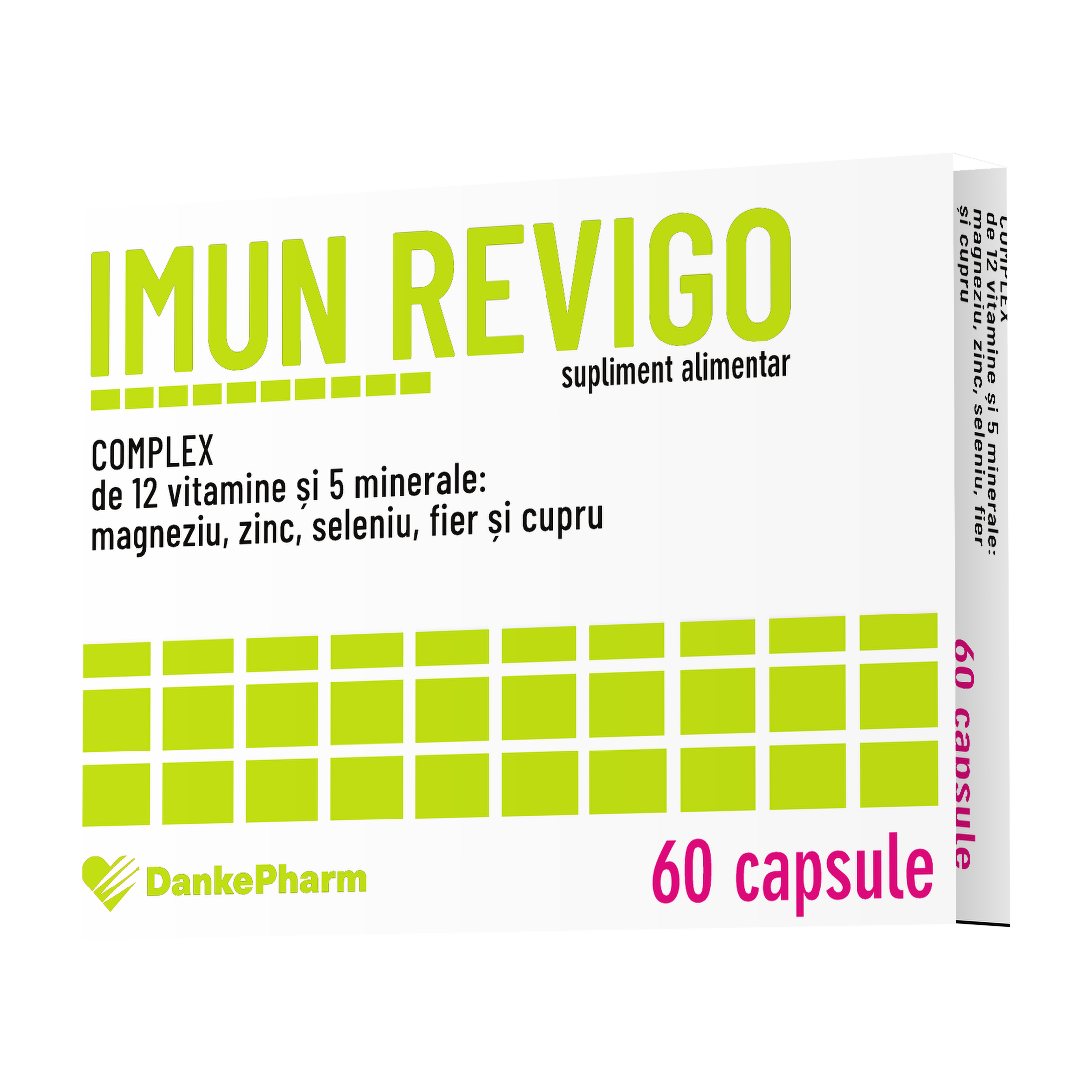
Adopting a balanced lifestyle, which includes regular sleep, moderate movement, a varied diet, stress management, and adequate hygiene, contributes to the normal functioning of the immune system. During certain periods or conditions, food supplements may be an option to complement the intake of essential nutrients. For example, a product like DANKEPHARM Imun Revigo can contribute to the normal functioning of the immune system through vitamins A, B6, B12, C, D, folic acid, selenium, and zinc, and DANKEPHARM Vita C 1000 Zn D3 can offer support through its content of vitamin C, zinc, and vitamin D. It is important to remember that food supplements do not replace a varied and balanced diet and a healthy lifestyle.
The information in this article is general and does not replace advice from a doctor or pharmacist. Food supplements are not a substitute for a varied, balanced diet and a healthy lifestyle.
- #imunitate
- #obiceiuri
- #sezon rece