Vitamins for Children: A Comprehensive Guide for Parents
DANKEPHARM · 10 min read · Ghiduri · 03/08/2026

We explore the role of vitamins in children's growth and development, the importance of a balanced diet, and how to understand age-specific nutritional needs.
The Importance of Vitamins in Child Development
Children's harmonious growth and development are a fundamental concern for every parent. In this complex process, vitamins and minerals play an essential role, contributing to a multitude of vital biological functions. From strengthening the skeletal system and supporting immune function to cognitive development and regulating metabolic processes, each nutrient makes a specific and indispensable contribution. A varied and balanced diet is the basis for ensuring these nutrients, but there are situations where, under professional guidance, food supplements may be used to complement intake.
Vitamins are organic compounds required in small amounts for the proper functioning of the body. They are not produced by the body in sufficient quantities, which is why they must be obtained from food. For example, vitamin D is crucial for calcium absorption and bone health, and insufficient intake can affect skeletal development. B-complex vitamins contribute to normal energy-yielding metabolism and the normal functioning of the nervous system. Vitamin C is an important antioxidant and contributes to the normal function of the immune system, while vitamin A is involved in the maintenance of normal vision and skin health. A prolonged deficiency of any of these vitamins can have implications for a child's growth and overall health status.
Nutrition: The Foundation of Healthy Development
Dietary Diversity as the Primary Solution
Nutrition is the main pillar in ensuring all the nutrients necessary for children's growth and development. A balanced diet, rich in fruits, vegetables, whole grains, lean proteins, and healthy fats, should ideally provide most essential vitamins and minerals. From an early age, introducing a variety of foods helps establish healthy eating habits and ensures a broad spectrum of nutrients. Colorful fruits and vegetables are excellent sources of vitamins, fiber, and antioxidants. Dairy products and fortified alternatives provide calcium and vitamin D, essential for bones. Lean meat, fish, legumes, and eggs are valuable sources of protein, iron, and B-complex vitamins.
It is important to avoid ultra-processed foods, which are high in added sugars, salt, and unhealthy fats. Besides offering low nutritional value, these can displace nutritious foods in a child's diet. Creating a family environment where healthy eating is the norm and encouraging children's participation in choosing and preparing meals can support the development of positive relationships with food. Gradual dietary diversification, in accordance with the pediatrician's recommendations, is essential to ensure adequate nutrient intake as the child grows and their nutritional needs evolve.
When Diet Alone Is Not Enough
While a balanced diet is ideal, there are situations where it may be insufficient to fully cover children's nutritional needs. Certain periods of accelerated growth, selective eating preferences of children (known as “picky eaters”), specific medical conditions affecting nutrient absorption, or dietary restrictions (such as vegetarian or vegan diets) may justify the need for supplementation. In these cases, vitamins and minerals can help complement the diet and support normal growth and developmental processes. It is fundamental that any decision regarding supplement administration be made after a medical evaluation and upon the pediatrician's recommendation. They can identify potential deficiencies and offer personalized guidance, ensuring that supplementation is appropriate and safe for the child.
Reading Labels and Understanding Dosages
Dosage Per Serving Based on Age
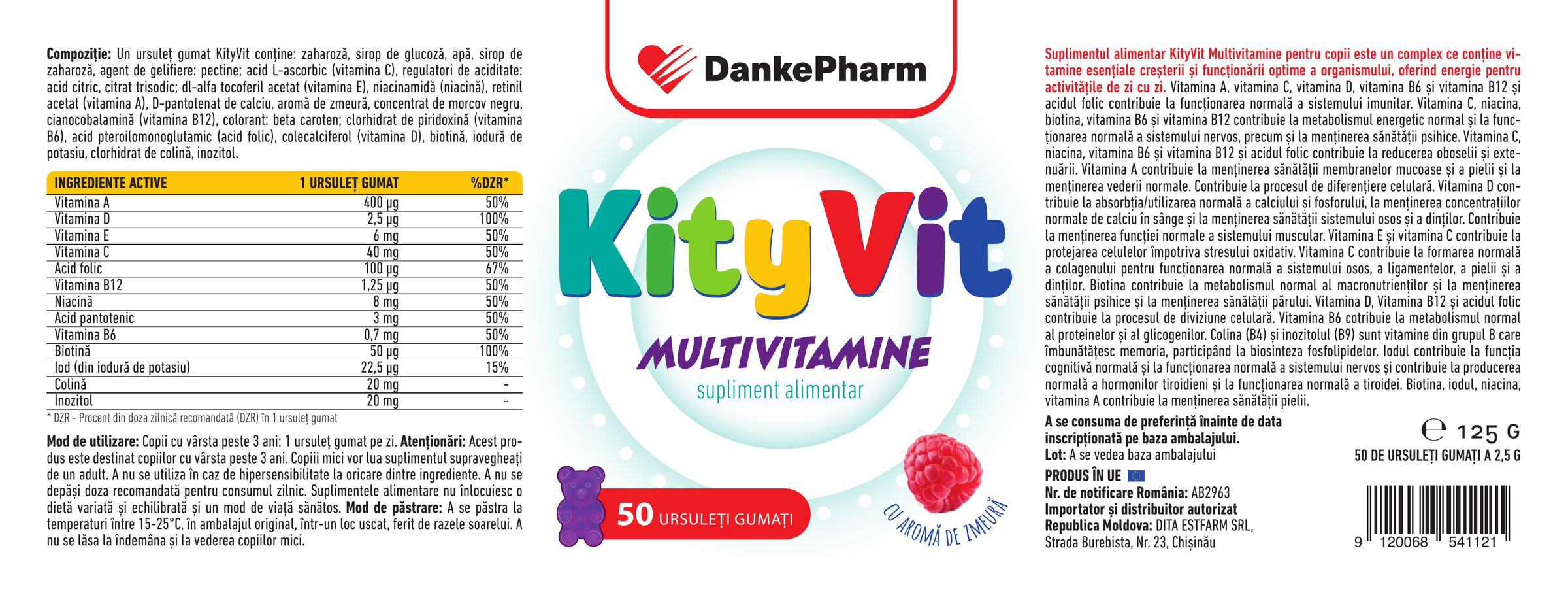
Understanding food supplement labels is a crucial step to ensure correct and safe administration. Information regarding “dosage per serving” and “directions for use” should be read carefully, as these are typically adapted to the age group. The nutritional needs of an infant differ from those of a preschooler or an adolescent, and supplement formulations are designed to reflect these differences. For example, a product intended for young children will have a lower concentration of nutrients than one intended for school-aged children. Failure to follow recommended dosages can lead to either insufficient intake or, in rare cases, an excess of certain vitamins, which can have undesirable consequences, especially for fat-soluble vitamins (A, D, E, K), which accumulate in the body.
On the product label, in addition to the recommended dose, you will often find the percentage of the Recommended Daily Allowance (RDA) or Nutrient Reference Values (NRVs) for each nutrient. These values are established for the general population and may vary based on age and gender. For children, it is particularly important to follow age-specific recommendations indicated on the packaging. If there are any uncertainties, consulting a pediatrician or pharmacist is always the best approach to clarify the correct administration method and to ensure the supplement is suitable for the child's individual needs.
Safety of Administration and the Pediatrician's Role
Administering food supplements to children must be approached with utmost caution and responsibility. The first and most important step is to consult a pediatrician before starting any supplementation regimen. The doctor can assess the child's general health, diet, any nutritional deficiencies, and determine if supplementation is indeed necessary. They can also rule out interactions with other medications or pre-existing conditions. Food supplements should not be considered a substitute for a healthy and varied diet but rather a complementary support when justified.
It is essential to choose products from reputable manufacturers that comply with quality and safety standards. Checking certifications and ingredients on the label can provide additional assurance. Furthermore, keeping supplements out of reach of children is vital to prevent accidental ingestion. Open communication with the pediatrician and strict adherence to their instructions are key to safe and effective supplement administration, contributing to the child's health and normal development without unnecessary risks.
Frequently Asked Questions
When should I start giving my child vitamins?
The decision to start administering vitamins should always be made after consulting a pediatrician. They will assess the child's individual needs, their diet, and decide if supplementation is necessary, based on age and general health.
Can food supplements replace a healthy diet?
No, food supplements are not a substitute for a balanced and varied diet. Their role is to complement nutrient intake when the diet is insufficient or in cases of increased needs, but they cannot replace the benefits of a complete diet.
Are there risks associated with excessive vitamin intake?
Yes, excessive administration, especially of fat-soluble vitamins (A, D, E, K), can lead to their accumulation in the body and the appearance of adverse effects. Therefore, it is crucial to adhere to recommended dosages and consult a doctor before administration.
How do I choose an appropriate supplement for my child's age?
Always choose supplements specifically formulated for your child's age group and strictly follow the instructions on the packaging. It is best to seek advice from your pediatrician or pharmacist to choose the most suitable product.
Conclusion
The role of vitamins and minerals in children's growth and development is undeniable, being essential for supporting multiple physiological functions. A varied and balanced diet remains the foundation of good health, ideally providing the necessary nutrient intake. However, in certain situations, food supplements can represent valuable support, contributing to complementing the diet and the normal functioning of the body. It is important that any decision to supplement be made responsibly, following consultation with a pediatrician, who can offer personalized guidance. Products such as DANKEPHARM's Kityvit Multivitamins are formulated to contribute to providing essential vitamin and mineral intake, in accordance with age-specific needs. Always remember that food supplements do not replace a varied and balanced diet and a healthy lifestyle.
The information in this article is general and does not replace advice from a doctor or pharmacist. Food supplements are not a substitute for a varied, balanced diet and a healthy lifestyle.
- #copii
- #multivitamine
- #parinti