Myths About Food Supplements: Reality Versus Perception
DANKEPHARM · 10 min read · Ghiduri · 03/08/2026

In the world of food supplements, information can often be unclear or distorted. This article debunks some of the most common misconceptions, offering an evidence-based and regulatory-compliant perspective.
Introduction: Navigating the Landscape of Food Supplements
Food supplements have become a prevalent component of many people's daily routines, as part of efforts to maintain overall well-being. These products are designed to complement nutritional intake and may contain vitamins, minerals, amino acids, fatty acids, fiber, or plant extracts, among others. They are not medicines and, therefore, are not intended to treat, prevent, or cure diseases. Public perception of supplements is often influenced by a multitude of information sources, not all based on scientific rigor. In this context, it is essential to approach the topic with discernment, separating myths from validated facts, in accordance with the strict regulations governing this field at the European level.
The Role of Supplements in the Context of a Balanced Lifestyle
A healthy lifestyle is primarily based on a varied and balanced diet, regular physical exercise, and restful sleep. Food supplements complement this framework, offering nutritional support where the diet cannot fully cover certain needs. However, they cannot substitute a healthy diet and should not be considered a quick fix for major nutritional deficiencies without consulting a specialist.
The Myth of "More is Better" When It Comes to Supplements
One of the most widespread misconceptions is the idea that a higher dose of a supplement will generate greater or faster benefits. In reality, this principle does not apply in the field of nutrition and, especially, food supplements. The human body has a limited capacity to utilize certain nutrients, and exceeding recommended doses can be not only ineffective but, in some cases, even harmful. For example, fat-soluble vitamins (A, D, E, K) accumulate in the body, and excessive intake can lead to toxicity. Even with water-soluble vitamins, such as vitamin C, although excess is usually eliminated through urine, extremely high doses can cause digestive discomfort in some individuals. Strict adherence to the doses indicated on the product packaging or recommended by a healthcare professional is fundamental for the safety and efficacy of supplements. Regulatory authorities set upper safety limits for most nutrients, and responsible manufacturers respect these limits in product formulation.
"Natural Means Risk-Free": A Dangerous Simplification
The term "natural" is often perceived as synonymous with "safe" or "free of side effects." However, in the context of food supplements, this equivalence is often erroneous. Many naturally occurring substances can have powerful effects on the body and may interact with medications or cause adverse reactions. For example, plant extracts contain bioactive compounds that can influence various physiological functions. Valerian, St. John's wort, or Ginkgo biloba, although "natural," can interact with certain medications, altering their effectiveness or increasing the risk of adverse reactions. Furthermore, the harvesting, processing, and purity of natural ingredients can vary significantly, affecting the safety profile of the final product. Therefore, even with supplements based on natural ingredients, a cautious approach is essential, and, if necessary, consultation with a specialist, especially in the presence of pre-existing conditions or ongoing medication.
The Myth That "Supplements Replace Diet"
This misconception is among the most harmful, as it can lead to neglecting the foundation of optimal health: a balanced and varied diet. Food supplements, as their name indicates, are designed to supplement, not to replace. No supplement can replicate the nutritional complexity of whole foods. Fruits, vegetables, whole grains, legumes, lean meat, and fish provide not only vitamins and minerals but also a multitude of phytonutrients, fiber, and other bioactive compounds that work synergistically to support health. This synergy cannot be fully replicated in a tablet or capsule. For example, while a supplement can provide vitamin C, an orange offers, in addition to vitamin C, fiber, flavonoids, and other antioxidants. Therefore, supplements are best used as targeted support, not as an alternative to regular, balanced meals. They can be particularly useful in certain periods of life (pregnancy, lactation), for restrictive diets, or in the presence of specific deficiencies identified by a doctor.
"Effects Are Felt Immediately": Unrealistic Expectations
Another common erroneous conception is the expectation of immediate or spectacular results from food supplements. Unlike medicines, which can have acute effects, supplements generally act at the level of cellular metabolism and physiological processes, requiring time to produce noticeable changes. Rapid expectations can lead to disappointment and premature discontinuation of administration, thus preventing the achievement of potential benefits. The time required to observe effects can vary depending on the type of supplement, individual health status, lifestyle, and the severity of a possible deficiency. For example, restoring magnesium levels in the body may require weeks or even months of consistent administration. Also, the effects of supplements can often be subtle and manifest through the maintenance of well-being, not through dramatic transformations. It is important to adopt a realistic and patient approach, integrating supplements into a long-term health plan.
Frequently Asked Questions
Are food supplements regulated?
Yes, food supplements are subject to strict regulations at the European and national levels. These regulations aim to ensure the safety of ingredients, purity, correct labeling, and the absence of any unjustified therapeutic claims. The objective is to ensure that products on the market are safe for consumption and that the information provided to consumers is clear and non-misleading.
Can I take multiple supplements at the same time?
Taking multiple supplements simultaneously is possible, but requires caution. It is important to check for the absence of common ingredients in high doses and potential interactions between different components. Consulting a nutritionist or doctor is recommended to avoid overdose or unwanted interactions and to optimize benefits.
Are food supplements clinically tested?
While not subject to the same rigorous clinical testing process as medicines, the ingredients in supplements are often supported by scientific studies. Responsible manufacturers rely on research to formulate effective and safe products, respecting the health claims authorized by the European Food Safety Authority (EFSA).
What is an authorized "health claim"?
An authorized health claim is a statement regarding the beneficial effect of a food or food ingredient on health, which has been scientifically evaluated by EFSA and approved by the European Commission. These claims are precisely formulated (e.g., "Vitamin C contributes to the normal function of the immune system") and are the only ones permitted on food supplement labels.
Conclusion
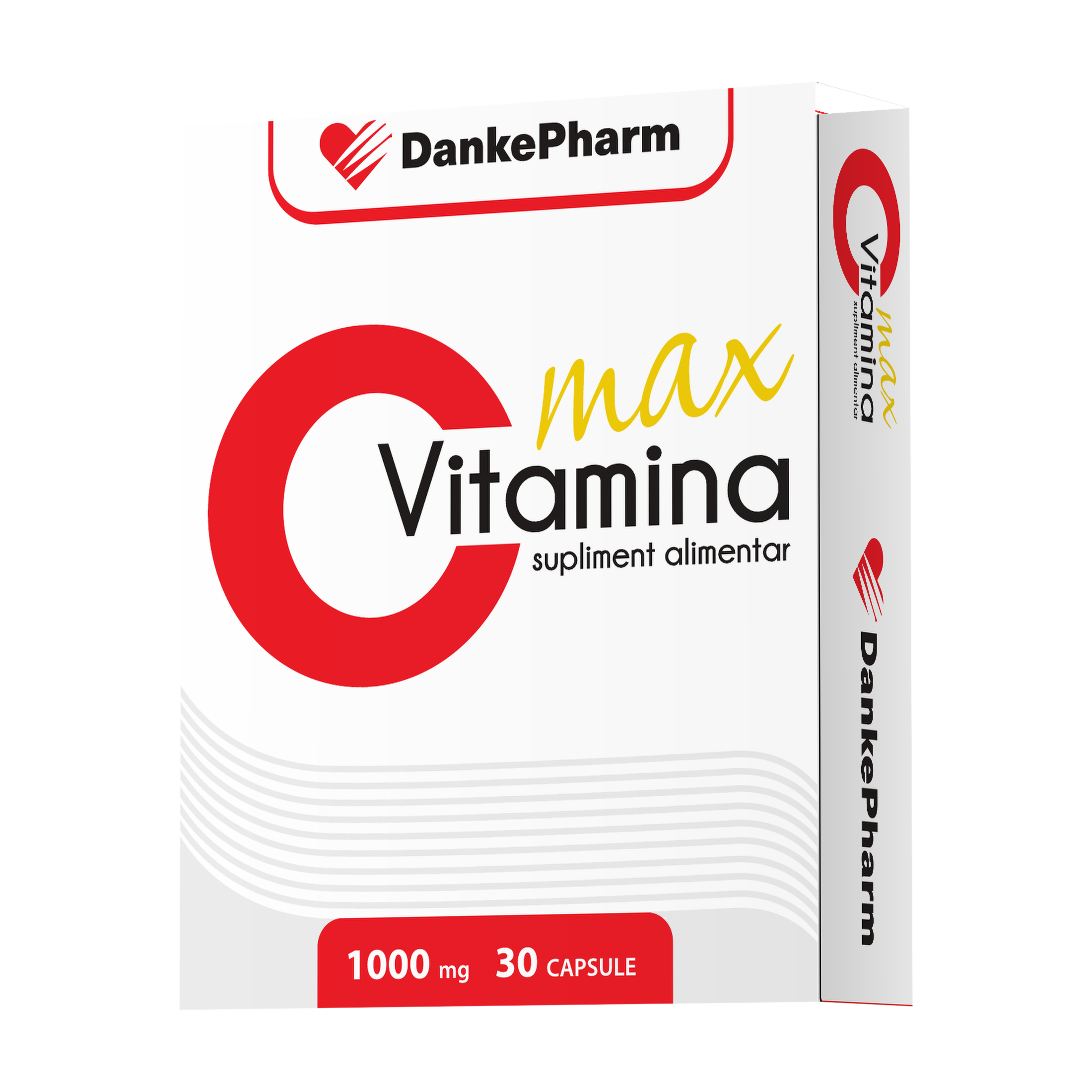
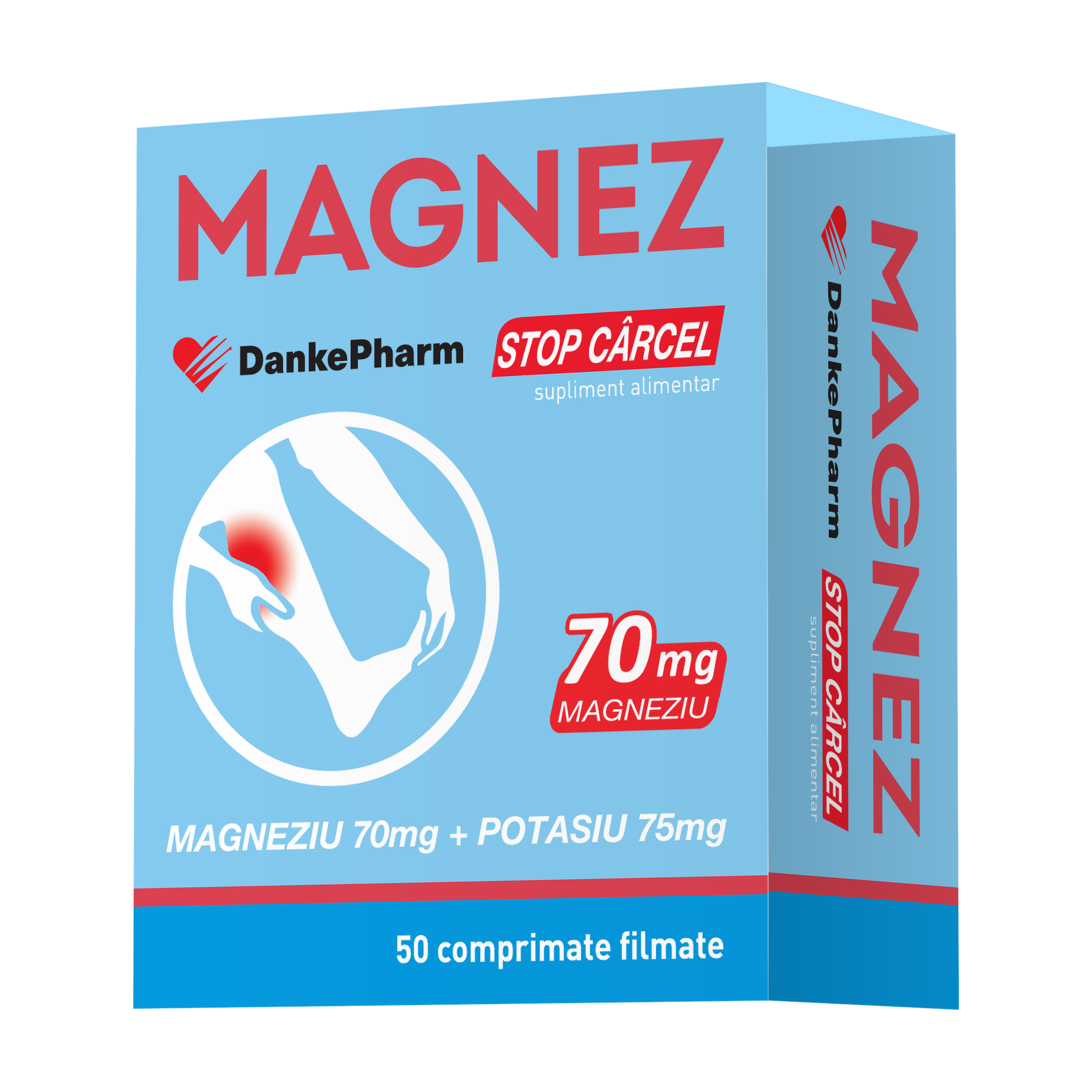
Navigating the world of food supplements requires a clear understanding of reality beyond myths. Adopting an informed perspective, based on scientific rigor and current regulations, is essential for making responsible choices. Supplements such as those containing Vitamin C or Magnesium can be valuable support for general well-being, contributing to the normal function of the immune system or the reduction of tiredness and fatigue, in the context of a balanced diet. It is important to remember that food supplements do not replace a varied and balanced diet and a healthy lifestyle. For any concerns, consulting a healthcare professional is always the best approach.
The information in this article is general and does not replace advice from a doctor or pharmacist. Food supplements are not a substitute for a varied, balanced diet and a healthy lifestyle.
- #mituri
- #ghid
- #siguranta