Comprehensive Guide: Building an Effective Daily Supplement Routine
DANKEPHARM · 10 min read · Ghiduri · 03/08/2026

Discover how to integrate food supplements into your daily routine to support health, optimizing absorption and avoiding common errors.
The Importance of a Consistent Supplement Routine
In modern society, the fast pace of life and nutritional challenges can make maintaining a perfectly balanced diet difficult. Food supplements can intervene to complete any nutritional deficiencies and support the normal functions of the body. However, their effectiveness largely depends on how they are integrated into a daily routine. A systematic approach is essential to maximize benefits and minimize risks, transforming simple administration into a conscious and well-informed ritual.
Why is planning crucial?
Planning supplement administration ensures optimal adherence and efficient nutrient absorption. Without a clear routine, it is easy to forget to take them, take them at inappropriate times, or, more seriously, overlap them, leading to potential unwanted interactions or exceeding recommended doses. A well-established routine transforms supplement administration from a sporadic task into an integral and natural part of one's lifestyle, contributing to the maintenance of overall balance and well-being.
Prioritizing the Body's Real Needs
The first step in building an effective supplement routine is identifying individual needs. This involves an honest assessment of lifestyle, diet, and, ideally, consultation with a healthcare professional. Every body is unique, and what works for one person may not be suitable for another. Avoid blindly following advice or trends, focusing instead on what is truly relevant to your health status.
Identifying specific deficiencies, either through laboratory analyses or by observing symptoms, is a solid starting point. For example, individuals with limited sun exposure might require a vitamin D supplement, while athletes or those under intense stress might benefit from magnesium. Pregnant women or those planning a pregnancy have specific folic acid needs, and older adults may require additional calcium and vitamin B12. Prioritization means first focusing on these essential needs before considering other supplements for general health support.
Optimal Time of Day for Administration
The timing of supplement administration is as important as their selection. Certain vitamins and minerals are better absorbed in the presence of food, while others may be more effective on an empty stomach. For example, fat-soluble vitamins (A, D, E, K) require fats for optimal absorption, making it advisable to take them with main meals, which typically contain a source of fat. Vitamin D3, in particular, benefits from this approach, ensuring the body can utilize it to its maximum potential.
On the other hand, certain minerals, such as magnesium, can be administered in the evening, contributing to relaxation and supporting restful sleep. Iron supplements, often recommended on an empty stomach for maximum absorption, can nonetheless cause gastric discomfort in some individuals, in which case administration with a light meal might be a solution. It is important to read the instructions on each product label and consider general recommendations, adapting them to individual tolerance.
Adherence and Avoiding Dose Overlap
Adherence is key to success in any supplement routine. Even the best-chosen supplements will not provide benefits if not taken regularly. To improve adherence, you can use simple strategies such as associating supplement administration with an existing activity in your routine, like brushing your teeth or having breakfast. Weekly pill organizers can also be useful for monitoring administration and avoiding forgotten or doubled doses. Placing supplements in a visible location, but away from direct light and humidity, can serve as a constant reminder.
Avoiding dose overlap is a crucial aspect for safety. Administering multiple supplements containing the same vitamin or mineral in significant quantities can lead to excessive intake, which, for certain nutrients, can have adverse effects. Carefully read the labels of all products you use and calculate the total intake of each substance. For example, if you are taking a multivitamin complex, check if it already contains vitamin D or magnesium before adding individual supplements. In case of doubt, consult a healthcare professional to ensure that the doses are within safe and effective limits.
Periodic Re-evaluation of the Supplement Routine
The body's needs are not static; they change with age, lifestyle, stress levels, diet, and general health status. Therefore, it is essential to periodically re-evaluate your supplement routine. Every six months or annually, it is advisable to review the list of supplements you are taking and ask yourself if they are still relevant to your current needs. Major life changes, such as pregnancy, menopause, adopting a new diet, or the onset of a new health condition, should prompt an immediate re-evaluation.
Factors influencing supplement needs
The season can also influence supplement needs; for example, in winter months, reduced sun exposure may justify a higher vitamin D intake. The level of physical activity is another factor, with athletes often having increased nutritional requirements. The consumption of certain medications can influence nutrient absorption, requiring adjustments to supplements. Therefore, a flexible and informed approach is the best way to maintain a supplement routine that truly supports long-term well-being.
Frequently Asked Questions
When should I take fat-soluble vitamins?
Fat-soluble vitamins, such as A, D, E, and K, are better absorbed in the presence of fats. It is recommended to administer them during the main meals of the day, which typically contain a source of fat, to optimize their absorption in the body.
Can I take multiple supplements at the same time?
In general, it is possible to take multiple supplements, but it is essential to check for compatibility and avoid dose overlap. Consult product labels and, if in doubt, speak with a healthcare professional to prevent unwanted interactions or nutrient excess.
How often should I re-evaluate my supplement routine?
It is recommended to re-evaluate your supplement routine every 6-12 months, or whenever significant changes occur in your lifestyle, diet, or health status. This ensures that the supplements are still relevant and effective for your current needs.
What do I do if I miss a dose?
If you miss a dose, take it as soon as you remember, unless it is almost time for your next scheduled dose. In this case, skip the missed dose and continue with your regular schedule. Never double the dose to compensate.
Conclusion
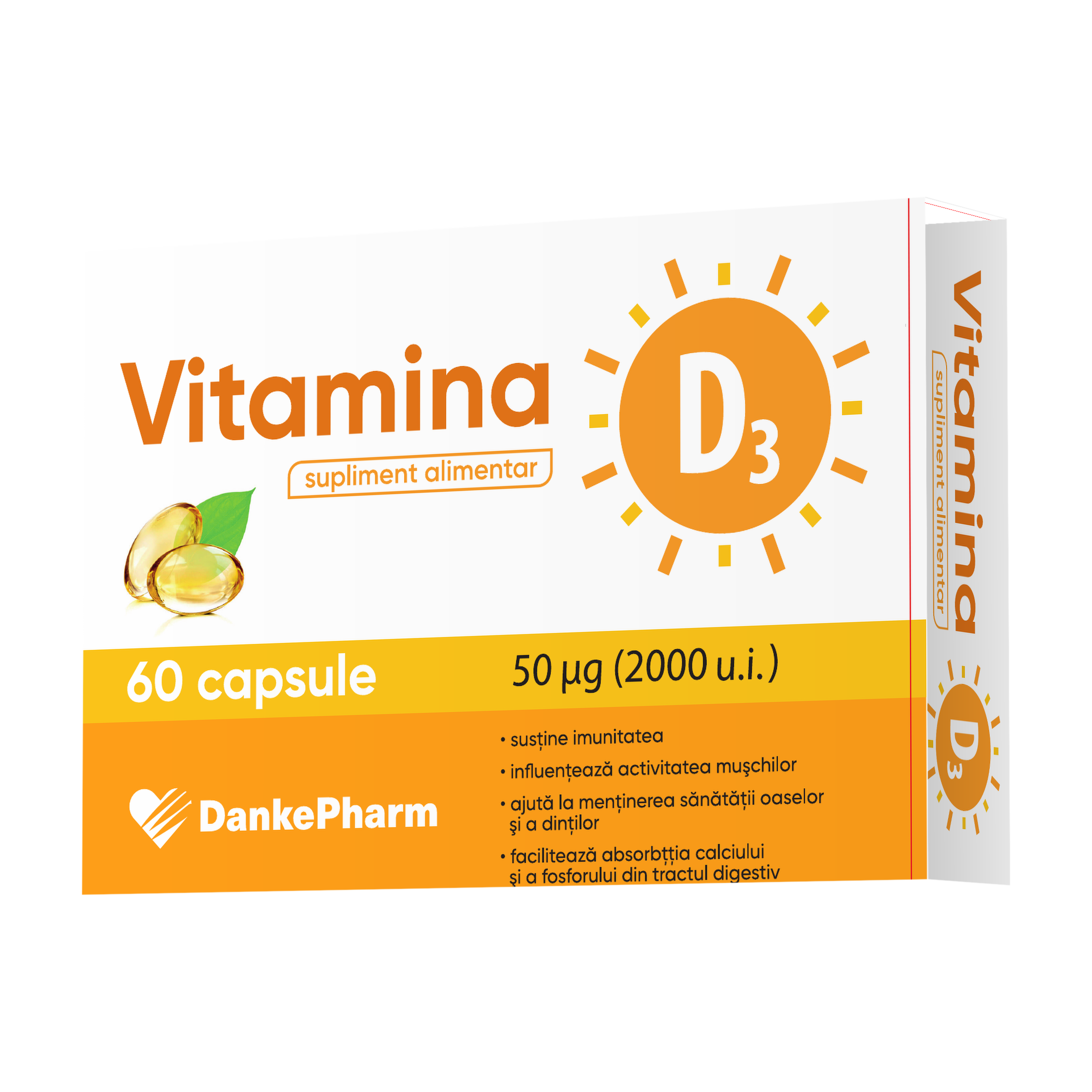
Building a daily supplement routine is a personalized and dynamic process that requires attention to detail and an understanding of individual needs. From prioritizing real deficiencies and optimizing timing of administration, to ensuring adherence and periodic re-evaluation, each step contributes to the overall effectiveness of supplements. By taking an informed and responsible approach, you can integrate supplements into your lifestyle to support overall well-being. To explore options that can contribute to the normal functioning of the body, you can consult the DANKEPHARM range, including Vitamin D3 2000 IU and Magnesium. We remind you that food supplements should not replace a varied and balanced diet and a healthy lifestyle.
The information in this article is general and does not replace advice from a doctor or pharmacist. Food supplements are not a substitute for a varied, balanced diet and a healthy lifestyle.
- #rutina
- #ghid
- #aderenta