GMP Certification: A Commitment to Quality and Safety
DANKEPHARM · 10 min read · Ghiduri · 03/08/2026

Learn what GMP (Good Manufacturing Practices) certification means in the food supplement industry and why it is an essential standard for the safety and quality of the products you consume.
The Importance of Quality in Food Supplements
In today's health and wellness landscape, food supplements play an increasingly important role in many people's daily routines. Consumers are increasingly aware of nutrition's role in maintaining health and seek products that support their objectives. In this context, trust in product quality and safety becomes paramount. The food supplement industry is dynamic, with a varied range of offerings, and distinguishing between high-quality products and those that do not meet standards can sometimes be difficult. Therefore, there are a series of standards and regulations designed to ensure that products reach the consumer in the safest and most effective form. One of the most recognized and respected global standards is Good Manufacturing Practices, or GMP.
What are Good Manufacturing Practices (GMP)?
GMP certification represents a system of regulations and guidelines that ensure products are consistently manufactured and controlled according to quality standards. These standards are designed to minimize the risks inherent in any supplement production, which cannot be eliminated by testing the final product. Therefore, GMP covers all aspects of production, from raw materials, to personnel and equipment, to hygiene and the documentation of each step.
Documented Procedures: The Foundation of GMP
A central aspect of GMP is the requirement that all processes and operations be documented in detail. This includes Standard Operating Procedures (SOPs) for each stage, from the receipt of raw materials to the packaging and storage of the finished product. Every relevant action must be recorded, and these records must be easily accessible for audits and verifications. Documentation ensures process reproducibility, reduces errors, and allows for efficient investigation in case of non-conformities.
Rigorous Control of Raw Materials
The quality of a finished product directly depends on the quality of the raw materials used. GMP imposes strict control over all raw materials and packaging materials. This includes verifying identity, purity, potency, and other relevant characteristics, as well as testing for contaminants. Suppliers are carefully evaluated and qualified, and each batch of raw material undergoes analysis before being accepted into the production process. Such a proactive approach helps prevent the introduction of non-compliant substances into the manufacturing chain.
Equipment Qualification and the Production Environment
In addition to raw materials and documented procedures, the production environment and equipment play a crucial role in ensuring quality. GMP standards impose strict requirements regarding the design, placement, maintenance, and calibration of the equipment used. All equipment must be fit for purpose, easy to clean and sanitize, and operate according to specifications. Equipment qualification involves demonstrating and documenting that it is correctly installed (IQ), operates according to operational specifications (OQ), and provides consistent and reproducible performance under actual production conditions (PQ).
Personnel and Facility Hygiene
Another fundamental pillar of GMP is hygiene. This applies both to personnel involved in production and to manufacturing facilities. Personnel must be appropriately trained in hygiene practices and adhere to strict protocols regarding protective clothing, hand washing, and behavior in production areas. Facilities must be designed and maintained to prevent cross-contamination and ensure a clean, controlled environment. Cleaning and sanitation standards are strict and are periodically verified through internal and external audits.
Batch Traceability and Quality Control Systems
A key aspect of product safety is the ability to trace every component of a finished product batch, from raw materials to distribution. Traceability systems allow for rapid identification of the source of any problem and efficient product recall, if necessary. Each batch of finished product receives a unique number, and all relevant information – from raw material suppliers, to production dates, quality control test results, and distribution details – is recorded and maintained. This ensures complete accountability and increased transparency throughout the entire supply chain.
GMP Audits and Continuous Compliance
GMP certification is not a singular event but a continuous process. Facilities undergo regular audits, both internal and external, conducted by independent certification bodies. These audits verify compliance with all GMP standards and identify potential areas for improvement. Maintaining compliance requires a constant commitment to quality, investment in personnel training and equipment modernization, and periodic review of procedures. Therefore, a valid GMP certification is a guarantee of a serious commitment to quality and safety.
GMP vs. Marketing Claims: The Crucial Distinction
In the food supplement market, it is common to encounter various marketing claims emphasizing "purity," "natural ingredients," or "superior quality." While these claims may be true, they do not offer the same guarantee of safety and efficacy as GMP certification. GMP is a recognized international standard, audited and verified by third-party organizations. It is a concrete commitment to a set of strict rules and not just a promise. A GMP-certified product offers much greater transparency regarding its manufacturing process and quality control systems compared to a simple "quality" label or an unfounded claim. Consumers should always look for products that clearly display relevant certifications, such as GMP, to trust what they are purchasing.
Frequently Asked Questions
What does GMP certification mean for the consumer?
For the consumer, GMP certification means an assurance that the product has been manufactured according to rigorous quality and safety standards. This reduces the risk of contamination, dosing errors, and guarantees a certain consistency of quality from one batch to another. It is an indicator of the manufacturer's commitment to the health and well-being of users.
How can I verify if a product is GMP certified?
Most manufacturers holding GMP certification display the logo or clear mention on the product packaging or website. You can also contact the manufacturer directly to request additional information or to verify the validity of the certification. It is important to look for certification issued by a recognized authority.
What are the main benefits of adhering to GMP standards?
Adherence to GMP standards brings numerous benefits, including improved product quality and safety, reduced risk of product recalls, increased consumer trust, and compliance with legal regulations. It also helps optimize production processes and minimize human and technical errors. It is a sign of professionalism and responsibility.
Is GMP mandatory for all food supplements?
In the European Union, although there is no single directive that explicitly mandates GMP for all food supplements, general food safety and hygiene legislation (EC Regulations 852/2004 and 853/2004) requires food business operators to implement systems based on HACCP (Hazard Analysis and Critical Control Points) principles, which are compatible and often integrated with GMP practices. Many manufacturers choose to obtain GMP certification as additional proof of their commitment to quality. It is an internationally recognized practice.
Conclusion
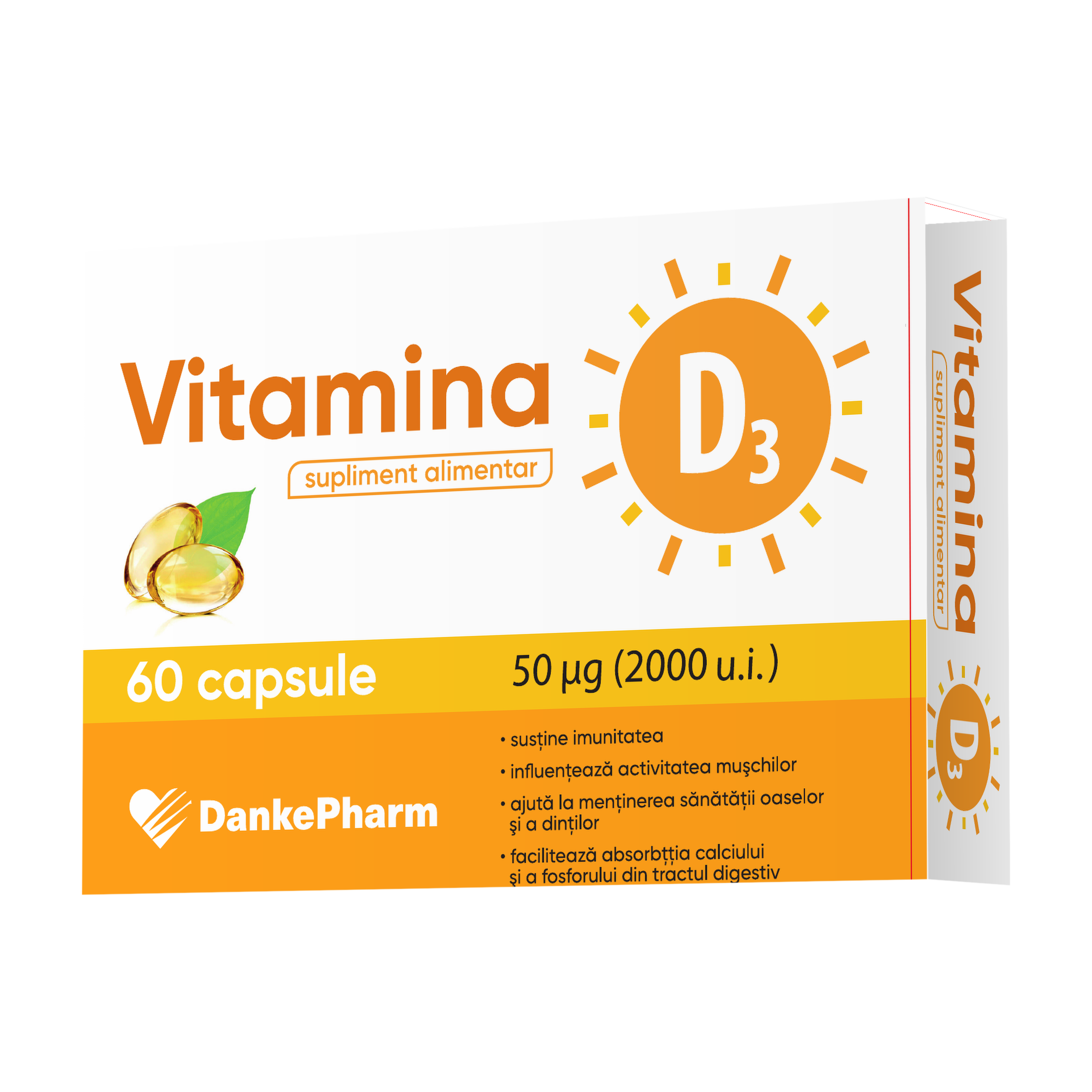
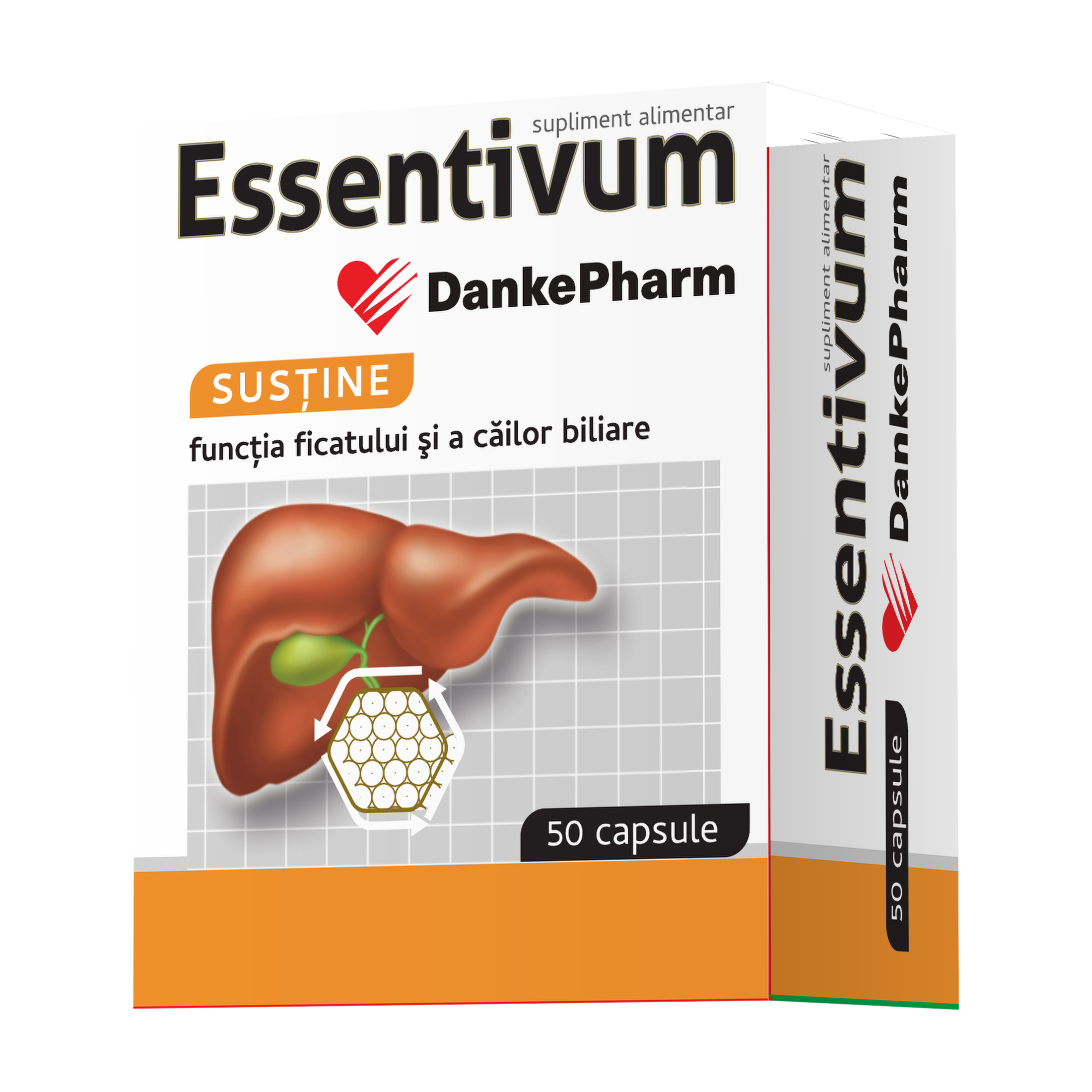
GMP certification is much more than a simple label; it is a comprehensive quality control system that attests to a manufacturer's rigor and responsibility. Through documented procedures, strict control of raw materials, equipment qualification, exemplary hygiene, and full batch traceability, GMP ensures that every food supplement is produced to the highest possible standards. This commitment to quality and safety is essential for consumer trust and product efficacy. When choosing food supplements, always look for clear indications of rigorous manufacturing standards. DANKEPHARM products, such as DANKEPHARM essentivum and DANKEPHARM Vitamina D3 2000 IU, are developed with particular attention to manufacturing processes, considering the importance of quality and safety. It is important to remember that food supplements do not replace a varied and balanced diet and a healthy lifestyle. Always consult a specialist before starting any supplementation regimen.
The information in this article is general and does not replace advice from a doctor or pharmacist. Food supplements are not a substitute for a varied, balanced diet and a healthy lifestyle.
- #GMP
- #calitate
- #producere