Ingredient Transparency in Food Supplements: A Necessity
DANKEPHARM · 10 min read · Ghiduri · 03/08/2026

Understanding supplement ingredients is crucial for consumers. This article explores the importance of transparency, from standardised extracts to raw material origin and rigorous testing.
The Importance of Transparency in Food Supplements
In a crowded and ever-expanding market where health and well-being are becoming priorities, food supplements play an increasingly important role in many people's daily routines. However, the complexity of formulations and the variety of ingredients can lead to confusion. Full transparency from manufacturers becomes not just proof of integrity, but also a guarantee of the quality and effectiveness of the products offered. Modern consumers are increasingly informed and want to understand exactly what they are putting into their bodies, demanding details not only about ingredients, but also about their origin, processing, and testing.
Why does knowing what we consume matter?
Choosing a food supplement should not be based solely on general promises, but on a clear understanding of its composition. Each ingredient contributes to the final profile of the product, and knowing the relevant details allows consumers to make informed decisions, tailored to their individual needs and specificities. This responsible approach to health requires proactive collaboration between manufacturer and consumer, where information is key.
Standardised Extracts Versus Unspecified Powders
A fundamental aspect of the quality of a food supplement based on plant extracts is standardisation. The difference between a standardised extract and a simple unspecified plant powder is significant and has a direct impact on product efficacy.
What does a standardised extract mean?
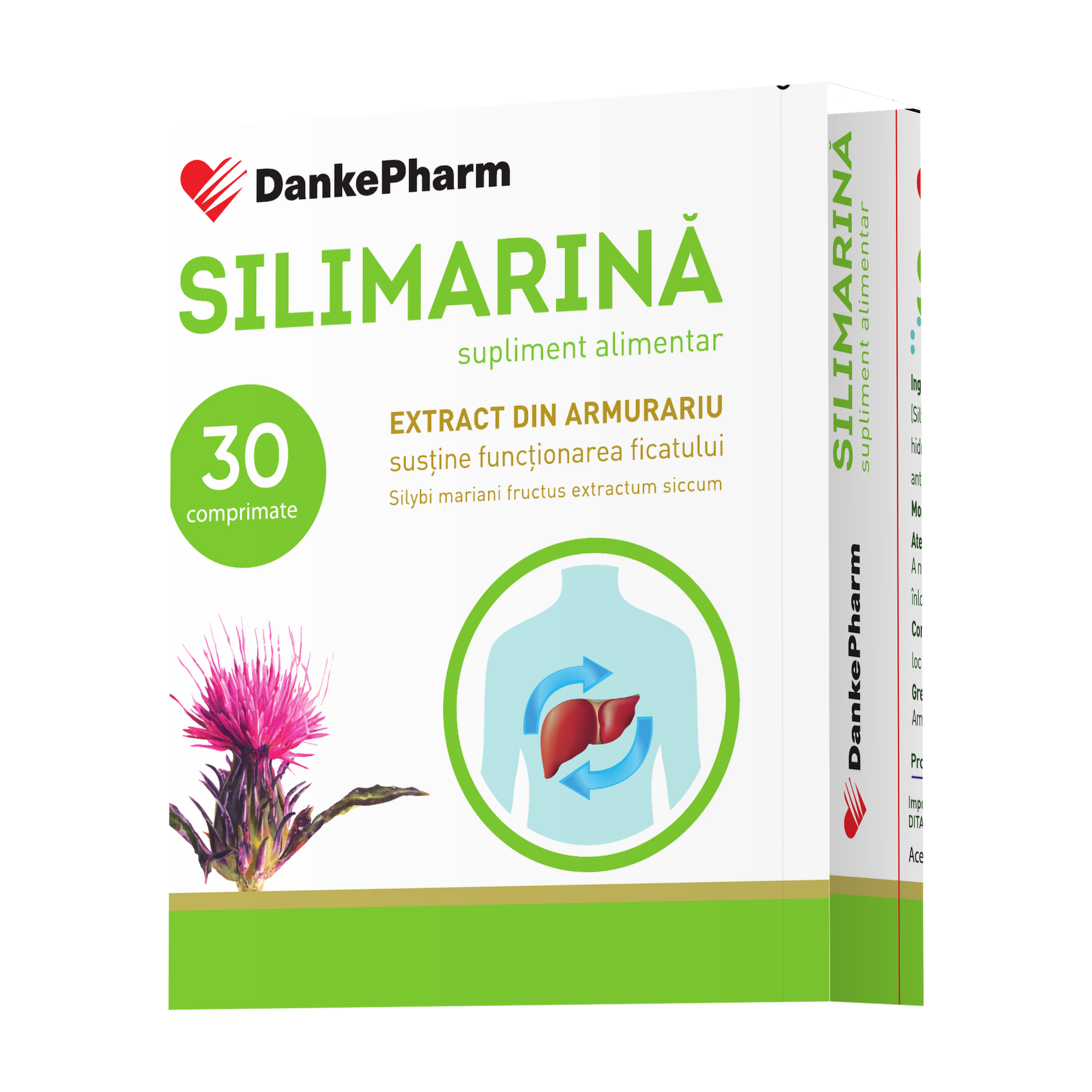
A standardised extract indicates that a specific amount of a particular bioactive compound (or group of compounds) has been measured and guaranteed in each dose. For example, a milk thistle (Silimarina) extract standardised to 80% silymarin means that each serving of the extract contains exactly 80% of the active substance responsible for the plant's beneficial properties. This standardisation ensures a consistent concentration of active ingredients and, implicitly, greater predictability of effects. Without such standardisation, the efficacy of a supplement can vary considerably from batch to batch, depending on factors such as plant growing conditions, harvesting, and processing methods.
Why are unspecified powders a problem?
On the other hand, an unspecified plant powder or an extract without clearly defined standardisation offers no guarantee regarding the content of active compounds. Although it may come from the same plant, the concentration of beneficial ingredients may be minimal or non-existent. Thus, consumers risk paying for a product that does not provide the expected benefits, making it impossible to verify whether the dose is therapeutically relevant. Transparency in this regard is crucial, offering consumers the assurance that the key ingredient is present in the optimal quantity.
Proprietary Formulas and Raw Material Origin
In addition to standardisation, two other elements of transparency that influence quality and trust are proprietary formulas and raw material origin.
Clarity in proprietary formulas
Proprietary formulas, while protecting manufacturer innovation, should still offer a certain degree of clarity. When a product contains a blend of ingredients under the name "proprietary formula" without specifying the quantity of each component, consumers cannot fully assess its efficacy and safety. A responsible manufacturer will provide at least a concentration range for essential ingredients or indicate the main ingredients, allowing for a better understanding of the composition. It is important that promised benefits are supported by relevant concentrations of active substances, not just the generic presence of the ingredient.
The importance of raw material origin
The origin of raw materials is another pillar of quality. Where do the plants or compounds used come from? Were they grown under controlled conditions? Are pesticides or heavy metals a concern? The answers to these questions are vital for consumer safety. A transparent manufacturer will be able to trace each ingredient back to its source, ensuring that raw materials come from reliable suppliers who comply with quality and safety standards. This often includes specific certifications, such as organic certifications or those attesting to the absence of certain contaminants, contributing to increased confidence in the final product.
Batch Testing and Quality Assurance
A frequently underestimated yet essential aspect for the safety and efficacy of food supplements is rigorous batch testing. This represents a critical stage in quality assurance.
What does batch testing involve?
Batch testing means that every batch of finished product undergoes detailed analysis before being distributed to the market. These tests verify not only the purity and potency of the ingredients (confirming, for example, the percentage of declared active substances in the case of standardised extracts), but also the absence of contaminants. Contaminants can include heavy metals (lead, mercury, cadmium), pesticides, microbes (bacteria, moulds, yeasts), or other undesirable substances. A manufacturer who invests in batch testing demonstrates a deep commitment to consumer safety and product integrity.
The role of quality certifications
In addition to internal testing, external quality certifications (such as GMP – Good Manufacturing Practices) provide further validation. These certifications attest that the manufacturing process complies with strict standards of hygiene, quality control, and documentation, from the acquisition of raw materials to the packaging of the finished product. They offer an external guarantee that the product is manufactured in a controlled environment and that quality assurance procedures are strictly followed.
The Consumer's Right to Clear Information
European legislation underscores the fundamental right of consumers to complete and accurate information. This is not limited to the ingredient list but extends to all aspects that may influence purchasing decisions and safe use.
Transparent labelling
A transparent label is the first and most important source of information for the consumer. It should clearly present the scientific name of the ingredients, dosage per serving, standardisation (where applicable), potential allergens, usage instructions, warnings, and the manufacturer's contact information. An ambiguous or incomplete label can create confusion and undermine trust.
Accessible information online
In addition to the label, responsible manufacturers make supplementary information available to consumers on their online platforms. This may include details about raw material sources, manufacturing processes, quality test results, and relevant scientific studies supporting declared benefits. This proactive approach strengthens the trust relationship and demonstrates dedication to ethical business principles.
Frequently Asked Questions
What is a standardised extract?
A standardised extract is a plant extract in which a specific concentration of a particular bioactive compound (or group of compounds) is guaranteed. This ensures consistency in the dose of the active substance in each serving, providing greater predictability of beneficial effects.
Why is the origin of raw materials important?
The origin of raw materials is crucial for ensuring product quality and safety. It helps verify the absence of contaminants such as pesticides or heavy metals and confirms that ingredients come from reliable sources, grown under controlled and ethical conditions.
What does batch testing mean?
Batch testing involves subjecting each batch of the finished product to thorough analyses to verify the purity, potency of ingredients, and absence of contaminants. This process confirms that the product meets declared specifications and is safe for consumption.
How can I identify a truly transparent product?
Look for products that clearly specify the standardisation of extracts, provide information about ingredient origin, and mention batch testing or quality certifications. A detailed label and additional information available online are also important indicators.
Conclusion
Transparency in the food supplement industry is not just a trend, but a fundamental necessity. From understanding details about standardised extracts and raw material origins to the importance of batch testing and the right to clear information, every aspect contributes to building a trusting relationship between manufacturers and consumers. Choosing food supplements should be an informed decision, based on concrete data and a firm commitment to quality.
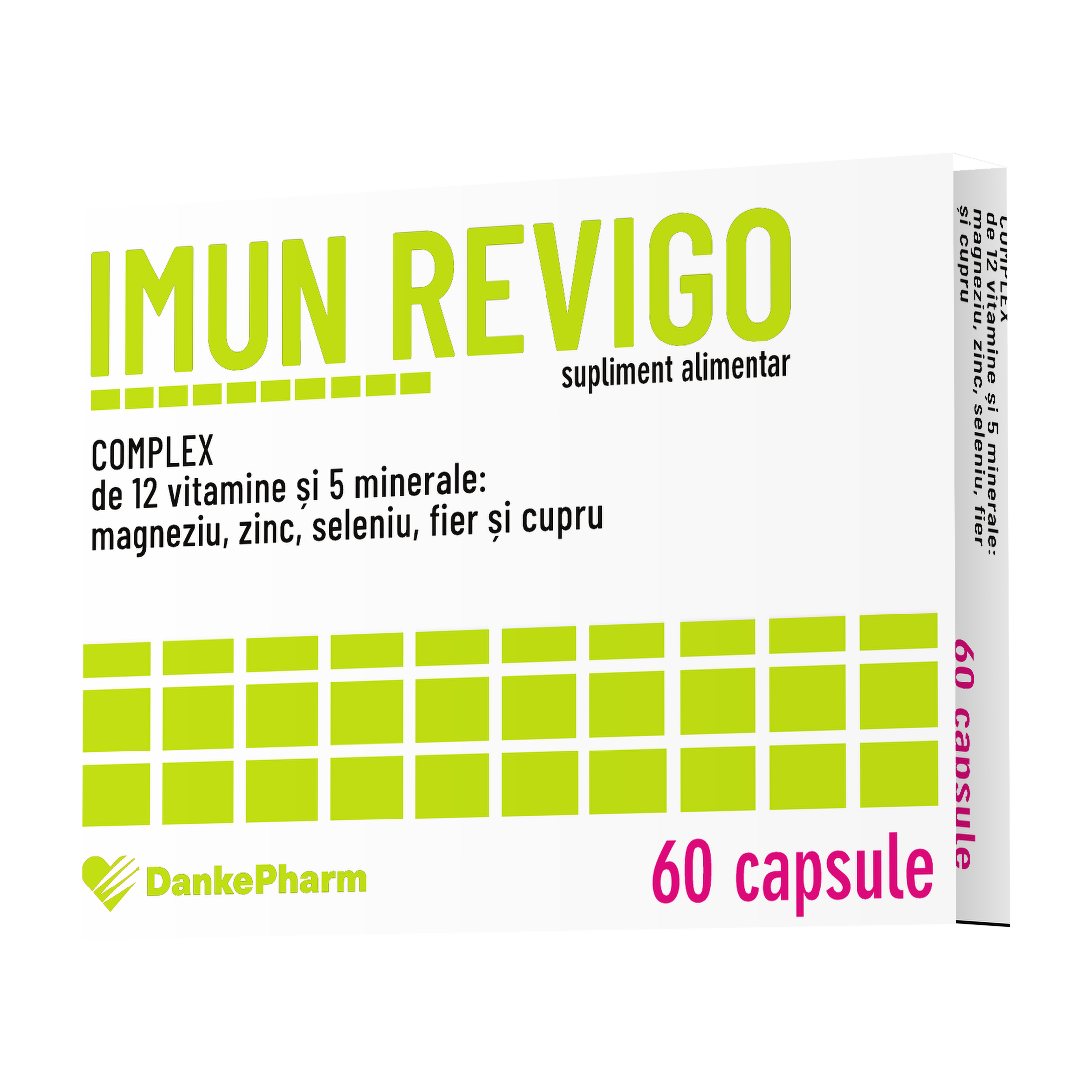
At DANKEPHARM, we are committed to providing high-quality products, and transparency is a central pillar of our philosophy. Whether you are interested in products that contribute to normal liver function, such as those based on milk thistle (Silimarina), or those that support the normal function of the immune system, such as IMMUN-REVIGO, you can be confident that information about ingredients, origin, and manufacturing processes is available to you. We remind you that food supplements should not replace a varied and balanced diet and a healthy lifestyle.
The information in this article is general and does not replace advice from a doctor or pharmacist. Food supplements are not a substitute for a varied, balanced diet and a healthy lifestyle.
- #transparenta
- #ingrediente
- #calitate