How to Choose Quality Food Supplements: A Consumer Guide
DANKEPHARM · 10 min read · Ghiduri · 03/08/2026

Choosing a quality food supplement is essential to ensure the desired benefits. This guide details the key criteria consumers should consider.
Food supplements are an important part of the daily routine for many individuals, playing a role in complementing the diet and supporting normal bodily functions. However, in a vast and diverse market, identifying products that truly deliver on their promises can be challenging. Quality, safety, and efficacy are fundamental aspects that differentiate a valuable food supplement from one that may be ineffective or, in some cases, even unsuitable for consumption. This article aims to explore the essential criteria we should consider when choosing food supplements, from manufacturing processes to nutritional composition and product presentation.
Manufacturing Processes: GMP and HACCP
Good Manufacturing Practices (GMP)
One of the most important indicators of a food supplement's quality is compliance with Good Manufacturing Practices (GMP). GMP represents a set of internationally recognized standards that ensure products are consistently manufactured and controlled according to quality standards. These practices cover all aspects of production, from raw materials, personnel, equipment, and hygiene, to quality control and document management. A manufacturer who adheres to GMP guarantees not only a safe product but also one that contains the specified ingredients in the declared quantities. GMP certification is proof of a company's commitment to excellence and rigor in the manufacturing process, offering consumers additional assurance that the product they purchase is reliable.
Hazard Analysis and Critical Control Points (HACCP)
In addition to GMP, the HACCP (Hazard Analysis and Critical Control Points) system is another pillar of food safety. HACCP is a systematic and preventive approach to identify, evaluate, and control food safety hazards. Implementing HACCP means that the manufacturer has analyzed potential biological, chemical, and physical risks that could affect the product throughout the entire production chain and has established control measures to minimize them. This includes careful monitoring of production, storage, and transport processes. A product manufactured under both GMP standards and HACCP principles provides robust assurance of safety and quality, demonstrating a manufacturer's deep concern for consumer health.
Raw Material Traceability and Bioavailability
Origin and quality of ingredients
Raw material traceability is a crucial aspect of quality. A manufacturer's ability to track the origin of each ingredient, from the initial source to the finished product, provides transparency and trust. This includes knowing suppliers, cultivation or extraction methods, and quality tests performed on raw materials. A transparent supply chain minimizes the risk of contamination, the presence of unwanted additives, or inferior quality ingredients. Choosing supplements that clearly specify the origin of ingredients and use high-purity, laboratory-tested raw materials contributes to a safe and effective experience.
Bioavailable chemical forms
Bioavailability refers to the extent to which a nutrient is absorbed and utilized by the body. Not all chemical forms of vitamins and minerals are equally effective. For example, certain forms of magnesium (such as magnesium citrate or magnesium bisglycinate) are considered to be more bioavailable than others (such as magnesium oxide), meaning they are absorbed and utilized more efficiently by the body. Similarly, vitamin K2 is often available as MK-7, which has superior bioavailability compared to other forms. Choosing supplements that contain nutrients in chemical forms optimized for maximum absorption is essential to fully benefit from their properties. Information about the chemical form of ingredients should be clearly indicated on the product label.
Dosage, Notification, and Packaging
Honest and effective doses
The dosage of a food supplement must be both honest and effective. This means that the product must contain the declared amount of active ingredient, and this amount must be sufficient to produce the desired physiological effect, without exceeding safety limits. A dose that is too low may be ineffective, while an excessive dose can be harmful. Responsible manufacturers base dosage on scientific studies and health authority recommendations. Carefully reading the label and, if necessary, consulting a health professional, can help verify the appropriateness of the dose.
Product notification
In the European Union, food supplements must be notified to competent authorities before being placed on the market. This notification process ensures that the product complies with current regulations regarding food safety, composition, and labeling. A notified supplement has undergone preliminary control by authorities and is considered safe for consumption under recommended use conditions. The presence of a notification number on the packaging is a guarantee that the product complies with legal requirements and is legally marketed.
Protective packaging
Packaging plays an important role in maintaining the quality and stability of active ingredients. Certain substances are sensitive to light, air, or moisture and require special packaging to protect them. For example, Vitamin D3 and K2 can be degraded by light exposure. Opaque, hermetically sealed packaging or packaging that uses pharmaceutical-grade materials helps preserve the integrity and efficacy of the product throughout its shelf life. The packaging design should also be informative, clearly presenting all relevant product details, including the ingredient list, dosage, usage instructions, expiration date, and batch number.
Frequently Asked Questions
What does GMP mean and why is it important?
GMP (Good Manufacturing Practices) represents a set of international standards for manufacturing and quality control. It is important because it ensures that food supplements are produced under safe conditions, comply with composition and quality specifications, thereby guaranteeing the integrity and safety of the final product for consumers.
How can I verify the bioavailability of an ingredient?
Bioavailability is often indicated on the product label, specifying the chemical form of the ingredient (e.g., magnesium citrate, Vitamin K2 MK-7). You can search for additional information about these forms in scientific literature or consult a specialist to understand which forms are most effective for absorption.
Why is raw material traceability crucial?
Raw material traceability is crucial because it allows tracking the origin of each ingredient, from source to finished product. This ensures transparency, reduces the risk of contamination, and guarantees that the ingredients used are of high quality and meet declared specifications.
What information should I look for on a supplement's packaging?
On the packaging, you should look for the complete ingredient list, recommended dosage, usage instructions, expiration date, batch number, and, very importantly, the notification number to competent authorities. These details provide a complete picture of the product and attest to its legal compliance.
Conclusion
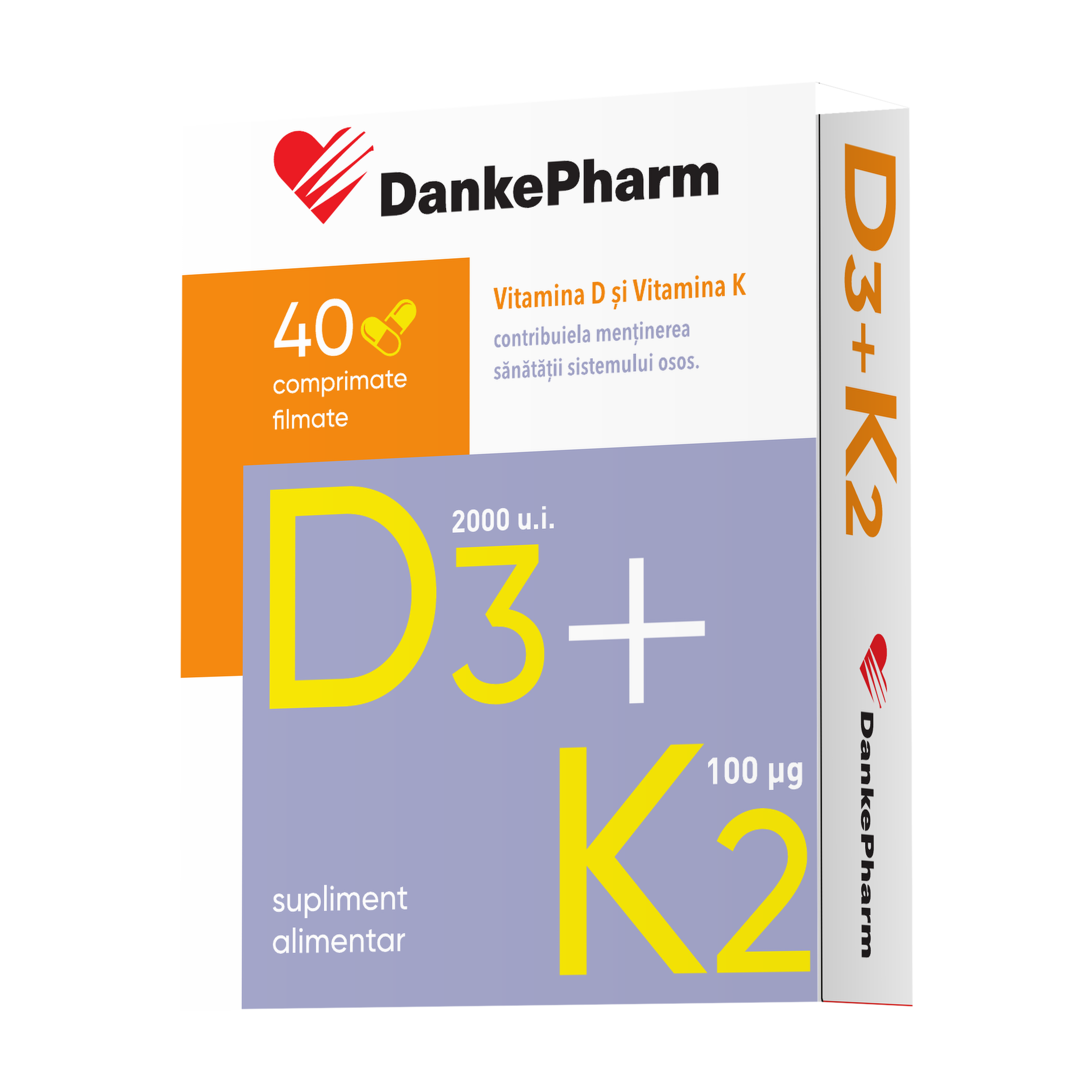
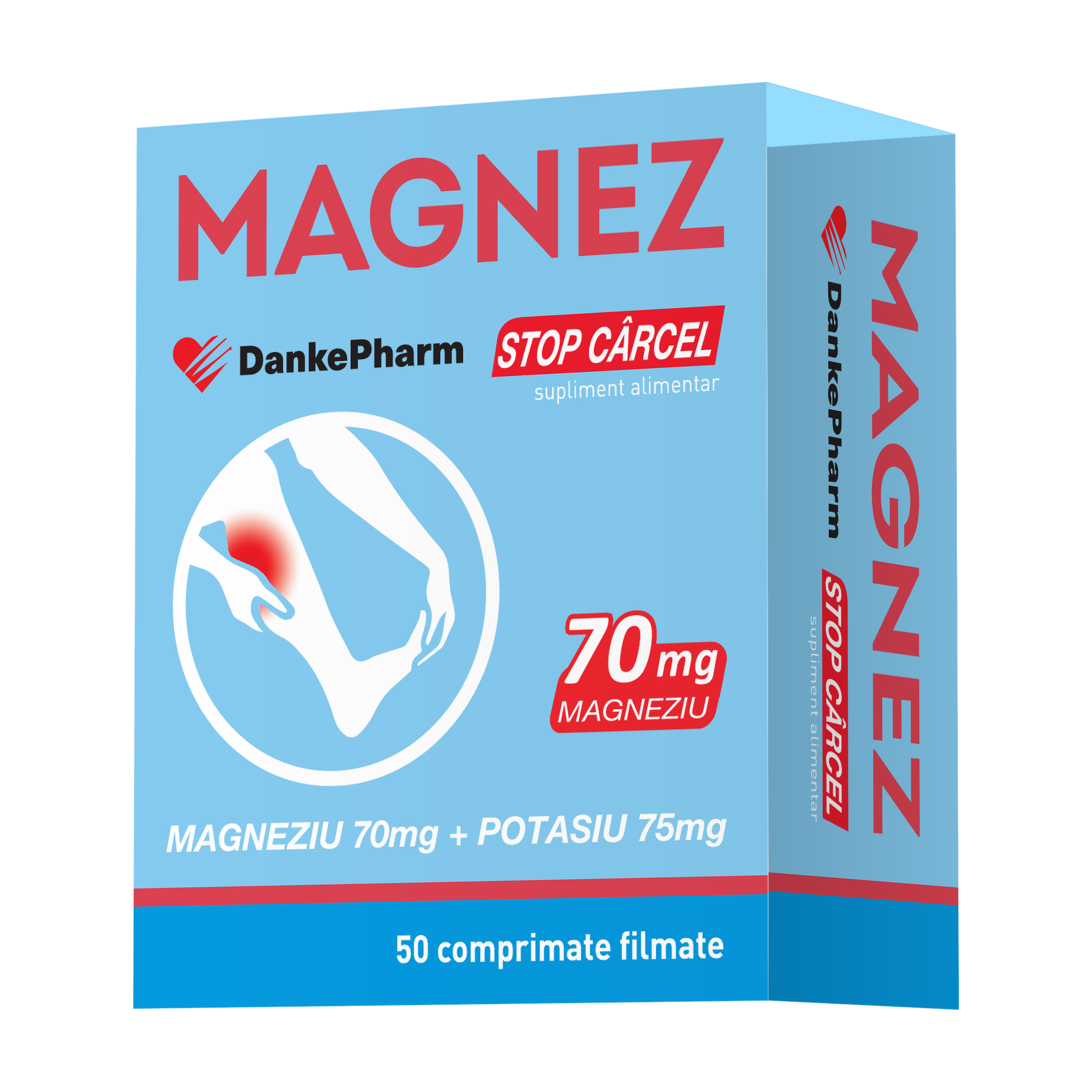
Choosing food supplements is an act of responsibility towards one's own health. By understanding and applying the quality criteria presented, from manufacturing processes compliant with GMP and HACCP, to raw material traceability, bioavailable chemical forms, honest dosages, and protective packaging, consumers can make informed choices. DANKEPHARM products, designed in compliance with these principles, such as DANKEPHARM Magnez or DANKEPHARM Vitamin D3+K2, are examples of supplements that adhere to high quality standards. It is important to remember that food supplements do not replace a varied and balanced diet and a healthy lifestyle but are intended to complement them, contributing to the normal functioning of the body. It is always recommended to consult a specialist before starting any supplementation regimen.
The information in this article is general and does not replace advice from a doctor or pharmacist. Food supplements are not a substitute for a varied, balanced diet and a healthy lifestyle.
- #calitate
- #GMP
- #ghid