Decoding Food Supplement Labels: A Comprehensive Guide
DANKEPHARM · 9 min read · Ghiduri · 03/08/2026

Understanding the label of a food supplement is crucial for making informed and responsible choices. This detailed guide helps you navigate the information presented on the packaging.
The Importance of Food Supplement Labels
In a market crowded with options, the label of a food supplement represents not only a legal requirement but also a crucial source of information for the consumer. From the list of active ingredients to specific warnings, every detail contributes to a complete understanding of the product. Responsible consumers take the time to analyze this information, ensuring that the chosen product meets their individual needs and adheres to safety standards.
Essential Components of the Label
The label of a food supplement is structured to provide a clear overview of its content and usage. Understanding each section is fundamental for an informed decision.
List of Active Ingredients and Excipients
The ingredient list is arguably the most important section. It enumerates all components of the product, typically divided into active ingredients and excipients. Active ingredients are substances that impart the desired nutritional or physiological properties to the supplement. It is important to note the order in which ingredients are listed, as they are generally arranged in descending order of quantity. Excipients are auxiliary substances used to give the product form, stability, taste, or color, usually without having a specific nutritional action. Common examples include cellulose, magnesium stearate, or silicon dioxide. Identifying excipients is crucial for individuals with sensitivities or allergies to certain substances.
Dose per Serving and Nutrient Reference Value (NRV)
The label specifies the recommended dose per serving, which is the amount of product you should consume in a single administration. The number of servings per package is also indicated. The Nutrient Reference Value (NRV), previously known as Recommended Daily Allowance (RDA), indicates the percentage of a specific nutrient's daily requirement that a serving of the supplement covers. This indicator helps assess the supplement's contribution to the daily diet. It is important to remember that NRV represents an average value, and individual needs may vary depending on age, sex, lifestyle, and health status.
Chemical Form of Ingredients
For certain ingredients, especially minerals and vitamins, the chemical form is an aspect to consider. For example, magnesium can be present as citrate, oxide, bisglycinate, or sulfate, each having a different bioavailability (the extent to which a nutrient is absorbed and utilized by the body). Similarly, vitamin C can be ascorbic acid, calcium ascorbate, or sodium ascorbate. The label should precisely specify the chemical form of each ingredient, allowing the consumer to choose the product with the most effective form for their needs.
Warnings and Legal Aspects
In addition to information about ingredients and dosage, the label also contains a series of mandatory warnings and legal statements, designed to protect the consumer and ensure correct product usage.
Allergens and Specific Warnings
Legislation requires food supplement labels to declare the presence of major allergens, such as gluten, lactose, soy, nuts, peanuts, eggs, milk, or fish. This information is crucial for individuals with food allergies or intolerances. Specific warnings may also exist regarding use by children, pregnant or breastfeeding women, individuals with certain medical conditions, or those taking other medications. Non-compliance with these warnings can have undesirable health consequences.
Expiration Date and Storage Conditions
The expiration date, often indicated as “Best before”, is the date until which the product maintains its properties and safety, if stored under the indicated conditions. Adhering to storage conditions (temperature, humidity, protected from direct light) is essential to ensure the product's efficacy and stability throughout its shelf life. Consuming an expired supplement can lead to reduced efficacy or, in rare cases, health risks.
What Cannot Be Legally Stated on the Packaging
European legislation is strict regarding the health claims permitted on food supplement labels. Any claim suggesting that a supplement can treat, prevent, or cure a disease is prohibited. Therapeutic promises or direct comparisons with medicines also cannot be made. Permitted claims must relate to the nutrient's contribution to a normal bodily function, in accordance with lists authorized by EFSA (European Food Safety Authority). Any product violating these rules should be viewed with skepticism, and the consumer should seek clarification. A legally compliant label is a sign of trust and responsibility on the part of the manufacturer.
Practical Tips for Reading the Label
To maximize benefits and minimize risks, approaching the label should be critical and informed. Do not rush to read only the product name or general indications.
Always read the complete list of ingredients. Check not only the main active ingredients but also excipients and, especially, allergens. Ensure there are no substances to which you are allergic or intolerant. Choose supplements with chemical forms of nutrients that have good bioavailability, if you have this option and understand the differences.
Compare the dose per serving with your individual needs and the Nutrient Reference Value (NRV). A supplement should not excessively exceed the NRV, except when recommended by a specialist. Always adhere to the recommended daily dose and do not exceed this dose without the advice of a doctor or pharmacist. The warnings on the label are there for a purpose; read them carefully and respect them, especially if you belong to a risk category (pregnant women, children, individuals with chronic conditions).
Check the expiration date before purchase and ensure the product is stored under optimal conditions after opening. A label that contains clear, complete, and legally compliant information is an indicator of the manufacturer's quality and seriousness. Beware of products with vague, incomplete labels or overly bold claims that are not supported by current regulations.
Frequently Asked Questions
What is NRV and why is it important?
NRV, or Nutrient Reference Value, is an indicator showing what percentage of the daily requirement for a specific nutrient is covered by a serving of the supplement. It is important for assessing whether the product provides an adequate amount of nutrients relative to average needs, helping you avoid both deficiencies and excesses.
Can I ignore excipients on the label?
No, excipients should not be ignored. While not active ingredients, they may contain allergens or substances to which you are sensitive. It is essential to check the list of excipients, especially if you have known food allergies or intolerances.
What does it mean if a supplement has a short shelf life?
A short shelf life can indicate reduced ingredient stability or a composition that requires rapid consumption. It is important to respect this term to benefit from the product's maximum efficacy and to avoid risks associated with degraded ingredients.
Why can't manufacturers state that supplements treat diseases?
European legislation prohibits medical claims on food supplement labels to protect consumers from false or misleading information. Supplements are intended to complement the diet and support normal bodily functions, not to diagnose, treat, or cure diseases, a role reserved for medicines.
Conclusion
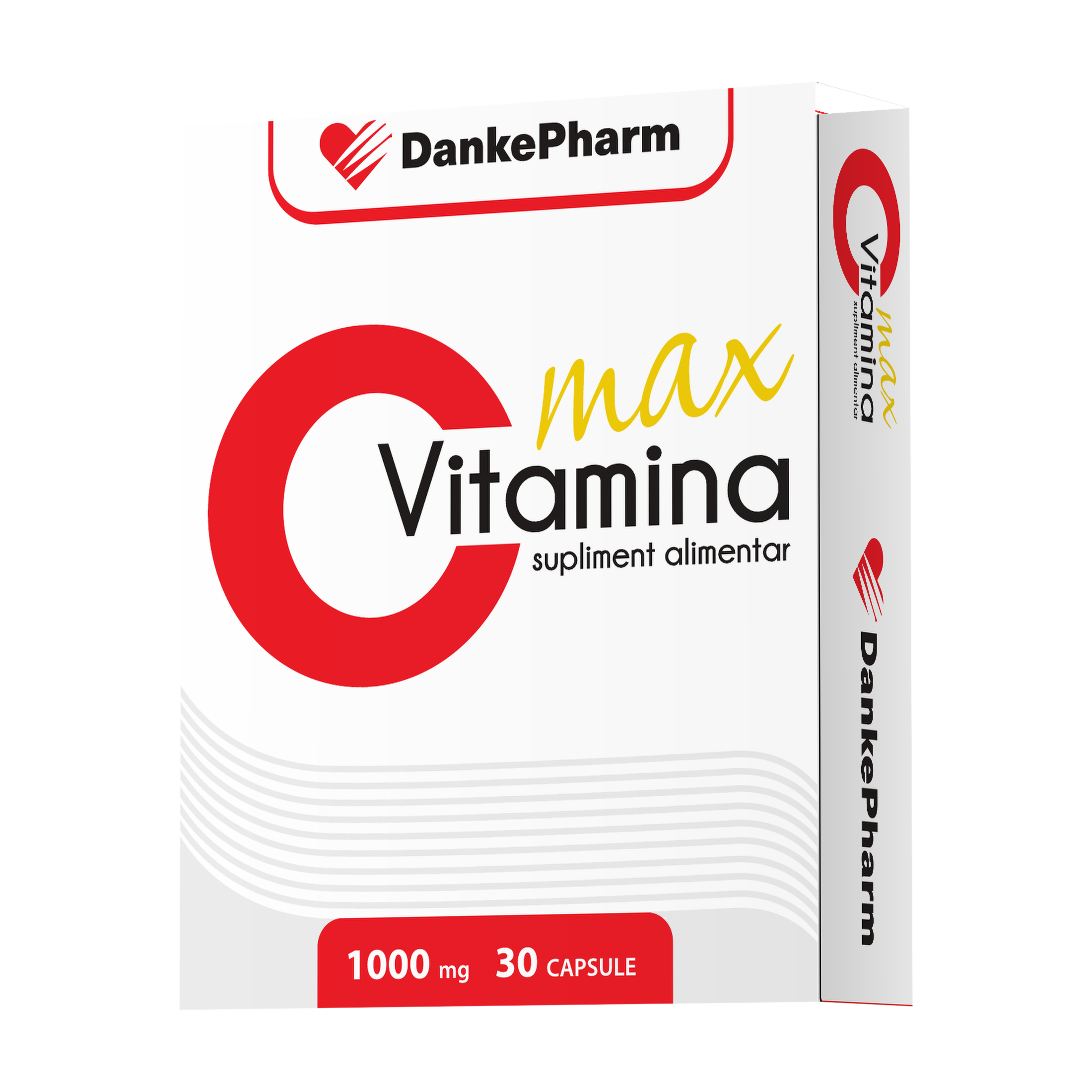
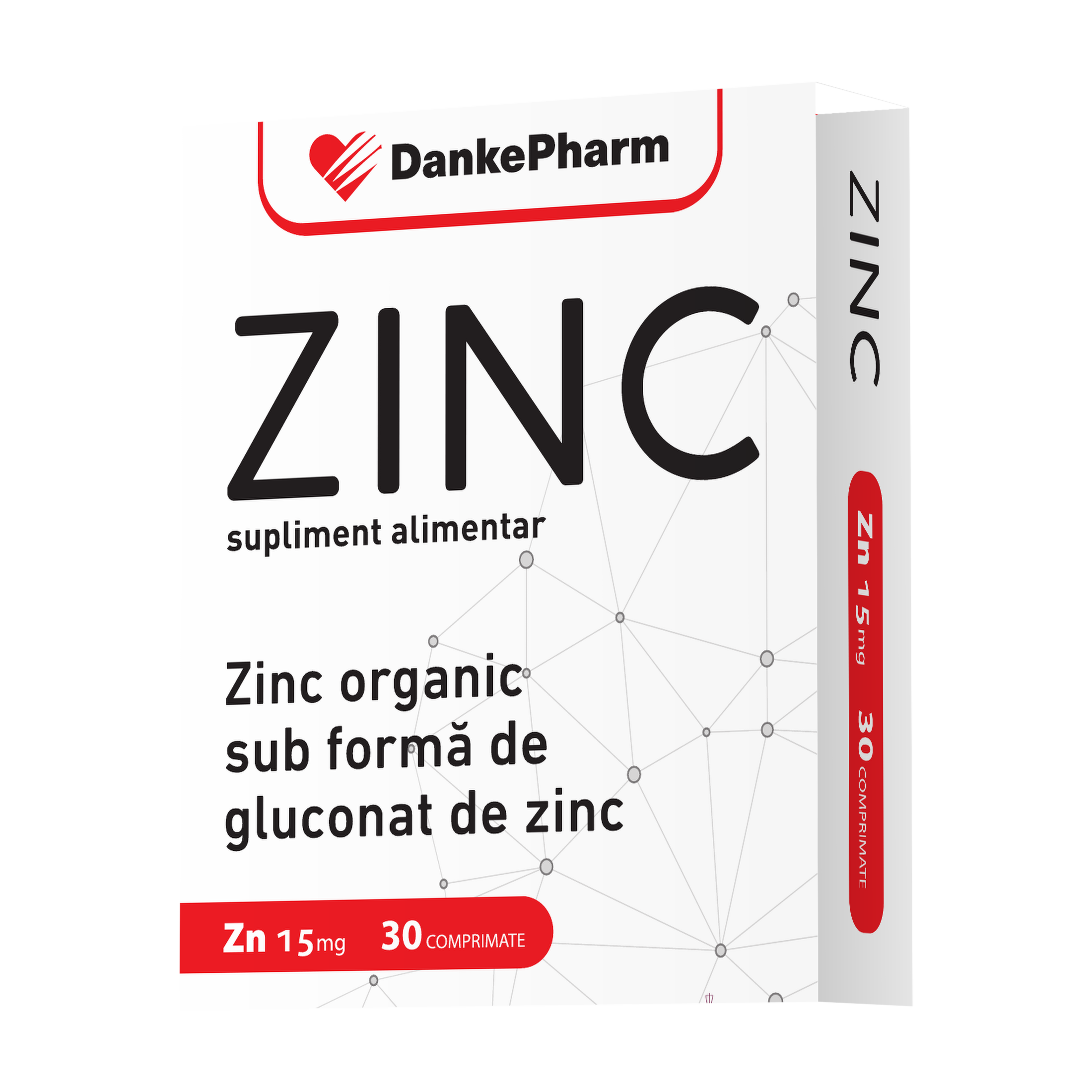
Decoding a food supplement label is an essential step towards a conscious and responsible approach to health. Each section, from ingredients and dosage to warnings and expiration dates, provides valuable information to help you make informed choices. Choosing a supplement appropriate for your needs and adhering to usage instructions contributes to overall well-being. Products like Vita C and Zinc from DANKEPHARM are formulated according to European standards, with clear labels designed to provide you with all necessary information. Always remember that food supplements do not replace a varied and balanced diet, a healthy lifestyle, and specialized medical consultation when necessary.
The information in this article is general and does not replace advice from a doctor or pharmacist. Food supplements are not a substitute for a varied, balanced diet and a healthy lifestyle.
- #etichete
- #VNR
- #ghid