Signs of Low Vitamin D Levels and the Importance of Medical Evaluation
DANKEPHARM · 10 min read · Nutriție · 03/08/2026

Vitamin D, essential for numerous physiological functions, can exhibit subtle deficiencies, manifesting as fatigue or musculoskeletal discomfort. Accurate identification requires specific medical analysis.
The Importance of Vitamin D for Health
Vitamin D is an essential fat-soluble vitamin, primarily recognized for its fundamental role in maintaining bone health. Its main action consists of regulating calcium and phosphorus metabolism, facilitating the intestinal absorption of these vital minerals and contributing to their deposition in bones. However, the importance of vitamin D extends far beyond the skeletal system. Receptors for vitamin D are present in almost all cells of the human body, indicating a broader role in physiological function. It contributes to the normal function of the immune system, the maintenance of normal muscle function, and the process of cell division. A chronic deficiency can have systemic implications, affecting overall well-being and the body's ability to function optimally.
The Role of Vitamin D in the Body
In addition to its contribution to bone health, vitamin D is involved in modulating the immune response, an aspect particularly relevant in the context of general health. It contributes to the maintenance of normal blood calcium levels, essential for muscle contraction, nerve transmission, and blood coagulation. Furthermore, certain research suggests a role for vitamin D in maintaining normal blood pressure and cardiovascular health, although the full mechanisms are still under study. Through its contribution to the process of cell division, vitamin D is implicitly linked to maintaining tissue integrity and functionality.
Subtle Signs of Low Vitamin D Levels
Recognizing the signs of a vitamin D deficiency can be challenging, as symptoms are often non-specific and can be attributed to other conditions. One of the most common and difficult-to-quantify symptoms is persistent fatigue. This does not manifest as mere sleepiness, but as a profound sense of exhaustion that is not alleviated by rest, affecting daily energy and concentration. Along with fatigue, muscle weakness may occur, manifesting as difficulties in performing usual physical activities or inexplicable muscle cramps. Musculoskeletal discomfort, including diffuse pain in bones and joints, can also be an indicator. These pains can be localized in the back, hips, or limbs, and their intensity can vary. Moods can also be affected, although the exact relationship is complex and requires medical attention for proper evaluation.
The Impact of Deficiency on Overall Well-being
In the long term, a chronic vitamin D deficiency can negatively influence the quality of life. Besides fatigue and physical discomfort, other less obvious manifestations may appear. For example, some individuals may notice slower recovery after physical exertion or an increased susceptibility to certain conditions. The body's ability to recover and maintain internal balance can be compromised. In the context of an immune system that requires vitamin D for normal function, a deficiency can contribute to reduced body resistance.
Risk Factors and the Cold Season
Certain factors can increase the risk of vitamin D deficiency. Insufficient sun exposure is the primary factor, and this aspect becomes particularly relevant in the cold season, when days are shorter, UVB ray intensity is reduced, and most people spend more time indoors. Residents of northern regions or those with a predominantly sedentary lifestyle are more prone to insufficient vitamin D intake through cutaneous synthesis. Individuals with darker skin also have a higher risk, as melanin acts as a natural sun filter, reducing vitamin D synthesis in the skin. Age is another important factor, as the skin's ability to synthesize vitamin D decreases with aging. Medical conditions affecting fat absorption, such as certain gastrointestinal disorders, can also limit vitamin D availability. Pregnant or breastfeeding women have increased needs and should be attentive to their intake.
Groups at Increased Risk of Deficiency
In addition to the previously mentioned individuals, there are other groups who should pay close attention to their vitamin D levels. These include people who wear clothes that cover most of their skin, those who constantly use high SPF sunscreens, as well as individuals with certain kidney or liver conditions, which can interfere with vitamin D metabolism. Also, overweight or obese individuals may have lower serum vitamin D levels, as it is stored in adipose tissue, making it less bioavailable in circulation. Monitoring and consultation with a specialist are recommended for these categories of people.
Diagnosis of Vitamin D Deficiency: The Role of 25-OH-Vitamin D
Accurate identification of vitamin D deficiency cannot be achieved based solely on symptoms, which, as mentioned, are often non-specific. The only reliable way to determine vitamin D status in the body is through a blood test that measures the level of 25-hydroxyvitamin D (25-OH-vitamin D or calcidiol). This is the main storage form of vitamin D in the body and best reflects total vitamin D reserves, originating from both sun exposure and dietary intake or supplements. Other forms of vitamin D, such as 1,25-dihydroxyvitamin D (calcitriol), which is the active form, are not adequate indicators of general vitamin D status, as their levels can remain normal even in the presence of a deficiency, until advanced stages, due to hormonal regulatory mechanisms. The interpretation of the results of this analysis is crucial and must be done by a physician, who will consider reference values, the patient's medical history, lifestyle, and any other existing conditions.
Why Interpretation Belongs to the Physician
The physician is the only one who can correctly interpret the results of the 25-OH-vitamin D analysis and establish an appropriate course of action. Optimal values may vary slightly depending on the laboratory and specific guidelines. A physician will evaluate not only the obtained figure but also the general clinical context, including symptoms reported by the patient, other relevant analyses, and pre-existing conditions. Superficial interpretation or self-administration of supplements without medical recommendation can be ineffective or, in rare cases, even harmful. Inadequate supplementation, for example, with excessively high doses, can lead to excessive accumulation of vitamin D, a condition known as toxicity, which can cause serious health problems, including hypercalcemia. Therefore, medical consultation is indispensable for a responsible and personalized approach to maintaining an optimal vitamin D level.
Frequently Asked Questions
What is vitamin D?
Vitamin D is an essential fat-soluble vitamin, known for its crucial role in regulating calcium and phosphorus metabolism, contributing to the maintenance of bone health. It also contributes to the normal function of the immune system and the maintenance of normal muscle function, being vital for numerous physiological processes.
What are the main sources of vitamin D?
The main sources of vitamin D are skin exposure to ultraviolet B (UVB) light from the sun, certain fortified foods, and, if necessary, food supplements. Fatty fish, such as salmon and mackerel, and egg yolks naturally contain vitamin D, although in smaller quantities than those synthesized through adequate sun exposure.
How does a low vitamin D level manifest?
A low vitamin D level can manifest through non-specific symptoms such as persistent fatigue, muscle weakness, musculoskeletal discomfort (bone and joint pain), or a general feeling of unwellness. These symptoms can be easily confused with those of other conditions, which is why medical analysis is required for confirmation.
Who should check their vitamin D level?
Individuals at high risk of deficiency, such as those with reduced sun exposure (in the cold season, elderly people, those with dark skin), people with certain gastrointestinal or kidney conditions, or those experiencing the symptoms mentioned above, should consult their doctor for an evaluation.
Conclusion
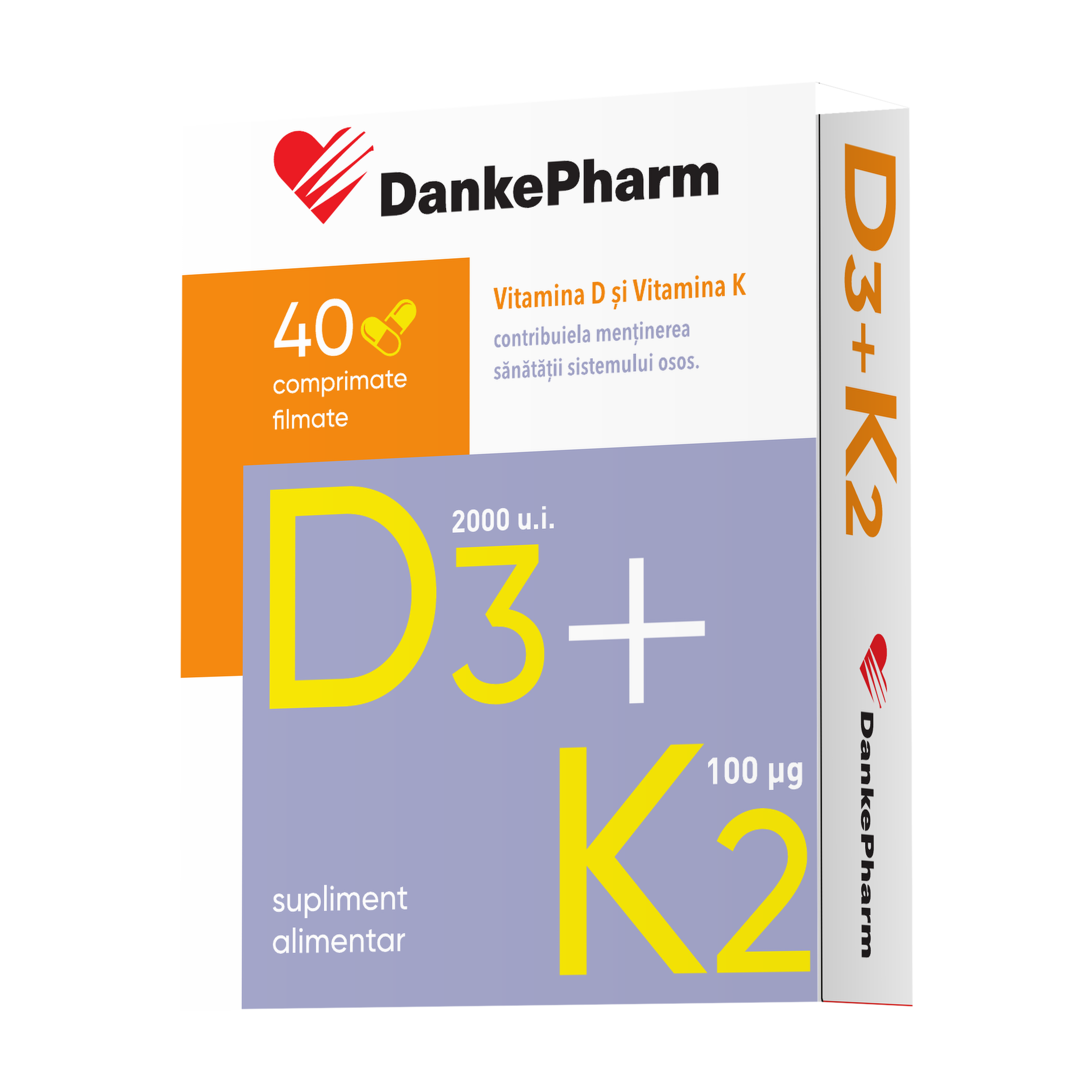
Maintaining an optimal vitamin D level is important for the proper functioning of the body, making a significant contribution to bone health, muscle function, and the proper functioning of the immune system. Recognizing the subtle signs of a deficiency, such as fatigue or musculoskeletal discomfort, can be a first step, but a definitive diagnosis is established exclusively through a specific medical analysis of 25-OH-vitamin D levels. The interpretation of these results and the establishment of an appropriate strategy belong to the physician, who will personalize the approach according to individual needs. To support adequate vitamin D intake, DANKEPHARM offers specially formulated food supplements, such as Vitamin D3 2000 IU and D3+K2, which can contribute to meeting daily requirements. It is important to remember that food supplements do not replace a varied and balanced diet and a healthy lifestyle. Always consult a specialist before starting any supplementation regimen.
The information in this article is general and does not replace advice from a doctor or pharmacist. Food supplements are not a substitute for a varied, balanced diet and a healthy lifestyle.
- #vitamina D
- #deficit
- #analize