Food Supplements: A Complementary Role in a Balanced Lifestyle
DANKEPHARM · 10 min read · Nutriție · 03/08/2026

Adopting a balanced lifestyle is essential for overall well-being. In this context, food supplements can offer valuable support, complementing a healthy diet and an active lifestyle.
The Foundations of a Healthy Lifestyle
In the pursuit of a fulfilling and healthy life, we often focus on quick fixes or singular aspects. However, the optimal approach involves a deep understanding of the interconnectedness of the various elements that constitute a balanced lifestyle. Nutrition, sleep, physical activity, and social relationships are fundamental pillars, each contributing significantly to our physical and mental well-being. Neglecting any of these pillars can have repercussions for overall health. Therefore, it is important to view the bigger picture and integrate these aspects into a conscious and sustainable daily routine. Recognizing the importance of each component allows us to build a solid foundation for lasting health, avoiding reliance on temporary or fragmented solutions.
Nutrition: The Cornerstone of Health
The Role of Essential Nutrients
Nutrition plays a primary role in maintaining health and vitality. The nutrients we obtain from food are the body's fuel, essential for the normal functioning of all biological systems. A varied and balanced diet, rich in fruits, vegetables, whole grains, lean proteins, and healthy fats, provides indispensable vitamins, minerals, fiber, and antioxidants. These compounds contribute to the normal function of the immune system, the maintenance of energy, bone and skin health, as well as cognitive processes. Choosing whole, minimally processed foods is crucial to ensure the necessary nutrient intake, while avoiding excess sugar, salt, and unhealthy fats, which can have negative health effects in the long term. Awareness of food choices and meal planning can facilitate the adoption of beneficial nutritional habits.
The Impact of Food Choices on Well-being
Beyond nutrient intake, diet directly influences mood, energy levels, and concentration. A balanced diet can help maintain stable blood sugar levels, preventing energy fluctuations and irritability. Additionally, certain foods are recognized for their anti-inflammatory properties, which can support overall health and contribute to reducing the risk of chronic conditions. On the other hand, an unbalanced diet, marked by excessive consumption of processed foods and high-sugar items, can negatively affect gut flora, impacting digestive health and, implicitly, mood. Thus, nutrition is not only a physiological necessity but also a powerful tool for optimizing physical and mental well-being.
Sleep, Movement, and Social Connections: Essential Factors
Restful sleep is fundamental for physical and mental recovery. During sleep, the body regenerates, hormones balance, and memory and cognitive functions are consolidated. Chronic lack of sleep can affect concentration, mood, and weaken the immune system. Equally important is regular physical activity, which contributes to maintaining a healthy body weight, improving cardiovascular health, and reducing stress. Movement stimulates the release of endorphins, known for their beneficial effects on mood. In addition to physical aspects, authentic social connections play a vital role in mental and emotional health. Interaction with others, a sense of belonging, and social support contribute to stress reduction and increased resilience. Social isolation, conversely, can have negative effects on overall well-being. Therefore, cultivating social relationships and participating in community activities are important aspects of a balanced lifestyle.
The Complementary Role of Food Supplements
In the context of a varied and balanced diet, food supplements can offer valuable support, contributing to nutrient intake in situations where diet alone is insufficient or when specific needs are increased. They are not intended to replace meals or correct a deficient diet, but rather to fill nutritional gaps. For example, during periods of intense physical exertion, in the case of certain dietary restrictions, or as we age, the need for vitamins and minerals may increase. Supplements can contribute to the normal function of the immune system, maintain bone health, or support cognitive function. It is important to understand that the effectiveness of supplements depends on a series of individual factors and that they must be integrated into a healthy lifestyle, not used as a substitute for beneficial habits. Discussion with a healthcare professional is recommended before starting any supplementation regimen, to ensure a personalized and safe approach.
There is No Substitute for Good Habits
Regardless of scientific progress and the availability of supplements, the fundamental principle remains unchanged: there is no shortcut to optimal health. The holistic approach, which prioritizes nutritious eating, adequate sleep, regular physical activity, and healthy social relationships, is the foundation upon which long-term well-being is built. Food supplements, however beneficial they may be, cannot compensate for an unhealthy diet, a sedentary lifestyle, or lack of rest. They are a support, a complement, not a standalone solution. Adopting and maintaining healthy habits requires discipline, information, and commitment, but the rewards, in the form of a more energetic and vibrant life, are invaluable. It is essential to cultivate a deep understanding of one's own body and its needs, investing in prevention and promoting health through conscious daily choices.
Frequently Asked Questions
What is the role of vitamins and minerals in the body?
Vitamins and minerals are essential micronutrients that contribute to the normal function of countless biological processes. They support the immune system, energy metabolism, bone and nervous system health, as well as general cellular function. Adequate intake is crucial for maintaining health and vitality.
Can supplements replace a healthy diet?
No, food supplements cannot and should not replace a healthy and balanced diet. They are designed to complement nutrient intake, especially in situations where the diet may be deficient or when there are increased needs. Whole foods offer a wide range of synergistic nutrients and bioactive compounds that cannot be fully replicated by supplements.
How important is sleep for health?
Sleep is fundamental for health, contributing to physical and mental recovery, memory consolidation, and hormonal regulation. Chronic lack of sleep can negatively affect cognitive functions, the immune system, and mood. Quality sleep is as important as diet and exercise.
How can social relationships influence health?
Healthy social relationships contribute significantly to mental and emotional well-being. They provide support, reduce stress, and increase a sense of belonging, having a positive impact on resilience. Social isolation, on the other hand, can have negative effects on overall health.
Conclusion
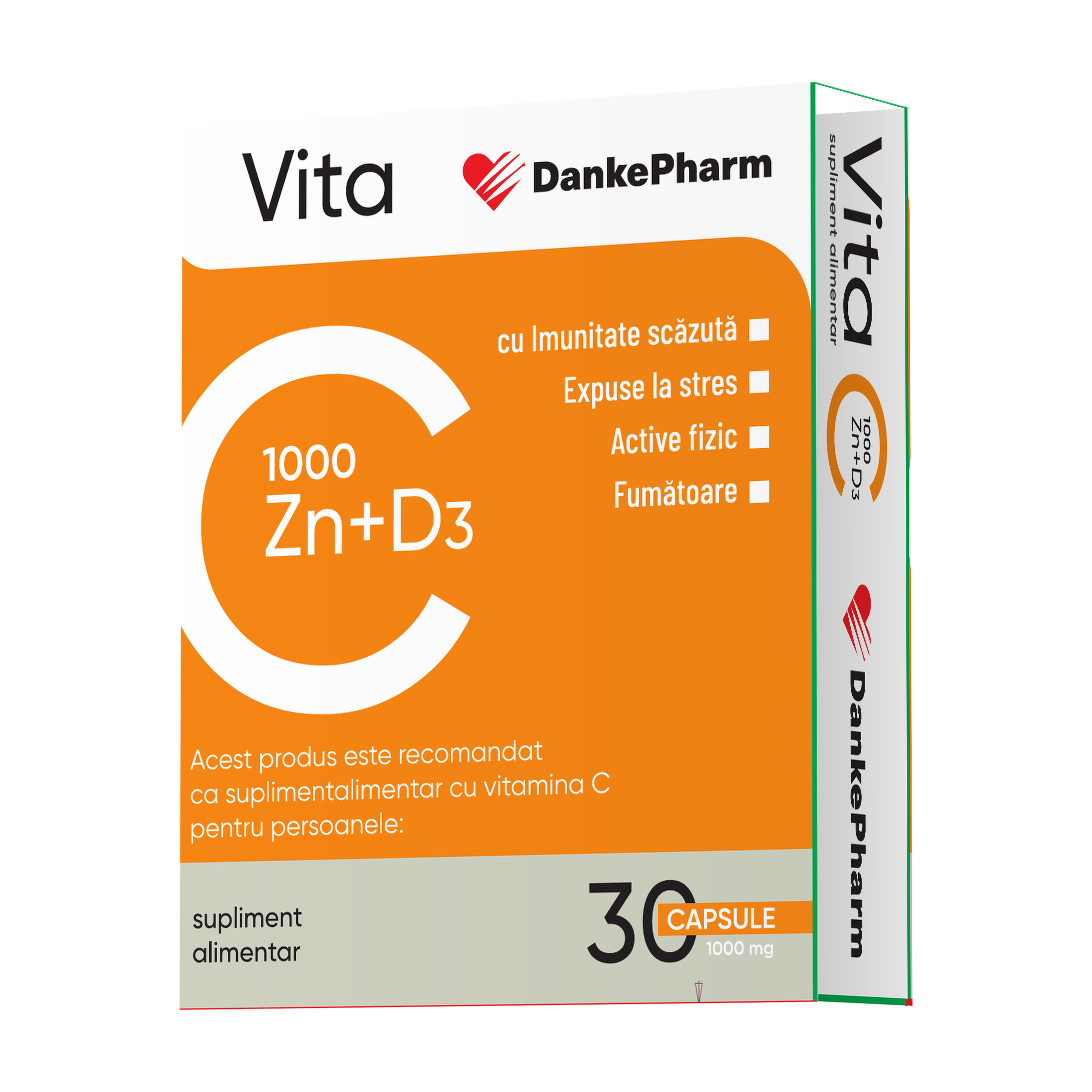
A balanced lifestyle, founded on a varied and nutritious diet, restful sleep, regular physical activity, and harmonious social relationships, is the key to optimal health and lasting well-being. Food supplements, such as those that contribute to the normal function of the immune system or the nervous system, can play a valuable complementary role, offering additional support in certain situations. It is important to understand that these are not a substitute for healthy habits, but rather a way to ensure the body receives all necessary nutrients. We encourage you to explore the DANKEPHARM product range, which includes formulations designed to support general well-being, such as vita-c-1000-zn-d3 or magnez. We remind you that food supplements do not replace a varied and balanced diet and a healthy lifestyle. Consult a specialist for personalized recommendations.
The information in this article is general and does not replace advice from a doctor or pharmacist. Food supplements are not a substitute for a varied, balanced diet and a healthy lifestyle.
- #stil de viata
- #echilibru
- #nutritie