Bone Density After 40: A Comprehensive Approach
DANKEPHARM · 10 min read · Nutriție · 03/08/2026

Maintaining optimal bone density after the age of 40 is essential for a good quality of life. This article explores the key factors influencing bone health, from nutrition to lifestyle.
The Importance of Bone Health After the Age of 40
As we age, bone structure undergoes natural changes. The process of bone remodeling, where old bone is removed and new bone is laid down, can slow down, and the balance between these two processes may shift. This can lead to a gradual loss of bone mineral density, a phenomenon which, if not properly managed, can increase the risk of bone fragility and, implicitly, fractures. After the age of 40, especially in postmenopausal women, these changes become more pronounced, emphasizing the need for increased attention to factors that support skeletal health. Bones are not inert structures, but living, dynamic tissues that require specific nutrients and mechanical stimulation to maintain their strength and functionality long-term. Therefore, adopting a proactive strategy for maintaining bone health is fundamental to supporting an active and independent life in the second half of life.
Why is Prevention Crucial?
Prevention plays a central role in bone health management. Once bone density significantly decreases, full recovery can be challenging. Therefore, early interventions, which include a balanced diet, regular exercise, and, if necessary, supplementation with key nutrients, can contribute to maintaining a robust bone structure. A preventive approach reduces the risk of complications associated with bone fragility, such as fractures, which can lead to chronic pain, loss of mobility, and a diminished quality of life. Awareness of risk factors and adopting a healthy lifestyle are essential steps in this direction, allowing individuals to maintain their independence and enjoy good health as they age.
Essential Nutrients for Bone Health
To support optimal bone density, an adequate intake of certain nutrients is indispensable. These nutrients work synergistically to ensure the absorption, utilization, and incorporation of calcium into the bone matrix. A varied and balanced diet, rich in these elements, forms the foundation of a nutritional strategy for skeletal health.
Calcium
Calcium is the most abundant mineral in the body and the main component of bones and teeth, giving them strength and rigidity. Over 99% of the body's total calcium is stored in the skeleton, where it serves not only as a structural element but also as a reservoir for maintaining blood calcium levels, essential for vital functions such as muscle contraction, nerve transmission, and blood clotting. Adequate calcium intake through foods such as dairy products, leafy green vegetables, small-boned fish (sardines), fortified tofu, and certain nuts and seeds is crucial to ensure a constant supply for bone remodeling.
Vitamin D
Vitamin D plays an essential role in regulating calcium and phosphorus metabolism, vital minerals for bone health. Its primary function is to support calcium absorption in the intestines, thereby facilitating its availability for bone mineralization processes. Without sufficient vitamin D intake, even an adequate calcium intake can be ineffective. Sun exposure is the main source of vitamin D, but it can also be obtained from certain foods, such as fatty fish (salmon, mackerel), egg yolks, and fortified foods. Vitamin D deficiency is widespread, and supplementation may be necessary, especially during winter months or for people with limited sun exposure.
Vitamin K
Vitamin K, particularly K2, has gained increasing recognition for its contribution to bone health. It acts by activating certain proteins, such as osteocalcin, which plays a role in binding calcium to the bone matrix. Vitamin K may also contribute to calcium regulation in the body, supporting its incorporation into bones while helping to prevent unwanted deposits in soft tissues. Dietary sources of vitamin K include leafy green vegetables (K1) and fermented foods or animal products (K2).
Magnesium
Magnesium is another key mineral involved in over 300 enzymatic reactions in the body, including those that support bone health. Approximately 60% of the body's total magnesium is found in bones. It contributes to bone structure, influences the formation of hydroxyapatite crystals, and is necessary for vitamin D activation. An adequate intake of magnesium is found in foods such as nuts, seeds, leafy green vegetables, legumes, and whole grains.
Proteins
Proteins constitute approximately half of bone volume and one-third of bone mass. They are essential for the formation of the organic matrix of bone, which serves as a scaffold upon which minerals are deposited. Insufficient protein intake can affect bone repair and remodeling processes, contributing to low bone density and an increased risk of fractures. Good sources of protein include lean meat, fish, eggs, dairy products, legumes, and nuts.
Exercise for Strong Bones
In addition to nutrition, exercise is a fundamental pillar in maintaining and improving bone density, especially after the age of 40. Bones are living tissues that respond to mechanical stress, becoming stronger where they are subjected to stress. The type of exercise is crucial for stimulating bone growth.
Impact Exercises
Impact exercises, meaning those that involve weight-bearing and an impact force on the bones, are the most effective for stimulating bone density. These include brisk walking, jogging, light jumping, dancing, and racket sports. The force generated upon contact with the ground sends signals to bone cells, stimulating them to produce more bone tissue and strengthen it. It is important that the intensity and duration of these exercises are adapted to each person's physical fitness level to avoid injuries.
Resistance Exercises
Resistance exercises, such as weightlifting, using resistance bands, or bodyweight exercises (push-ups, squats), are equally important. They stimulate bones through the traction exerted by muscles on them, contributing to increased bone density in those areas. Resistance exercises also contribute to muscle mass development, which improves balance, coordination, and overall strength, reducing the risk of falls and, implicitly, fractures. A balanced program should include both types of exercises, performed regularly and progressively.
Risk Factors and Regular Medical Evaluation
In addition to age, there are numerous other risk factors that can influence bone density and should be considered in the context of a medical evaluation. Early identification of these factors allows for the implementation of appropriate preventive or interventional strategies, personalized for each individual.
Risk Factors for Reduced Bone Density
Risk factors can be classified as modifiable and non-modifiable. Non-modifiable factors include a family history of osteoporosis, sex (women are more prone), ethnicity, and the presence of certain chronic medical conditions, such as thyroid diseases, certain gastrointestinal conditions, or rheumatoid arthritis. Modifiable factors, which can be addressed, include smoking, excessive alcohol consumption, sedentary lifestyle, poor diet in calcium and vitamin D, low body mass index, long-term use of certain medications (corticosteroids, proton pump inhibitors), and low levels of sex hormones. Awareness of these factors and discussing them with a doctor are crucial steps.
The Role of Regular Medical Evaluation
Regular medical evaluation plays a fundamental role in monitoring bone health. This may include blood tests to check calcium, vitamin D, and other bone markers, as well as imaging studies. Bone densitometry (DEXA) is the gold standard test for measuring bone mineral density and diagnosing osteoporosis. The doctor may recommend performing this investigation at certain intervals, depending on age, sex, and the presence of risk factors. Regular discussions with the treating physician allow for the development of a personalized management plan, which may include lifestyle modifications, nutritional recommendations, or, if necessary, pharmacological treatment, thus contributing to maintaining optimal bone density and preventing long-term complications.
Frequently Asked Questions
When should I start worrying about my bone health?
Concern for bone health should begin in childhood and adolescence, critical periods for bone mass accumulation. However, after the age of 40, adopting proactive measures becomes essential, given the natural process of bone density loss. It is recommended to discuss preventive strategies with your doctor.
Are calcium supplements necessary for everyone after 40?
No, calcium supplements are not necessary for everyone. Optimal calcium intake should primarily come from the diet. Supplementation should only be considered if dietary intake is insufficient and upon the recommendation of a doctor, following an assessment of individual needs. An excess of calcium can have adverse effects.
Can exercise reverse bone mass loss?
Exercise, especially impact and resistance exercises, can help maintain and, in some cases, slightly increase bone density. They are extremely effective in slowing or reducing the rate of bone loss. However, significant recovery of lost bone mass can be challenging and requires a multidisciplinary approach.
What are the signs of low bone density?
Low bone density, in its early stages (osteopenia) or even in osteoporosis, is often asymptomatic. The first sign may be a fracture occurring after minor trauma, or a decrease in height and a stooped posture. Therefore, regular medical evaluations, including bone densitometry, are crucial for early detection.
Conclusion
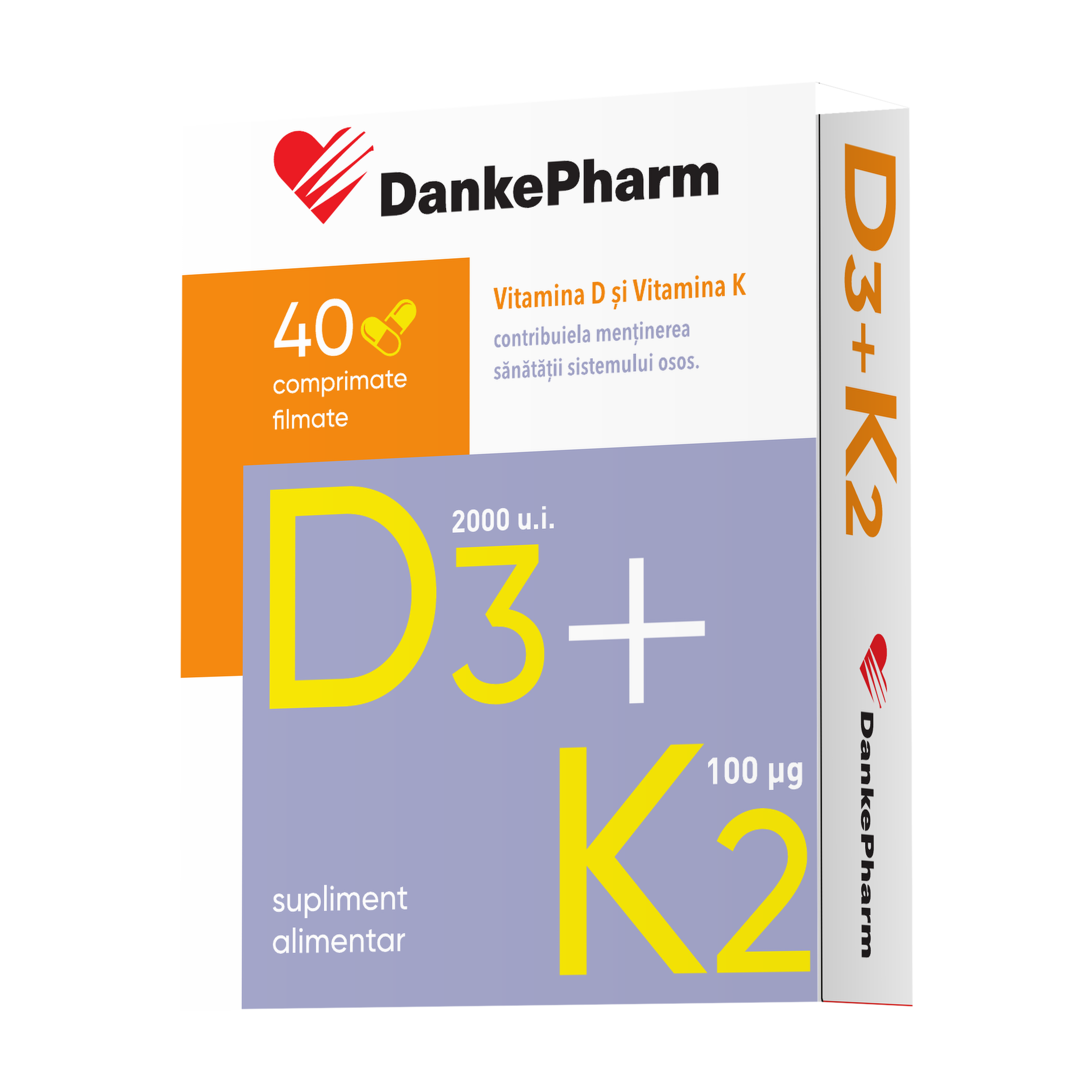
Maintaining optimal bone density after the age of 40 is a complex endeavor, involving a combination of nutritional factors, an active lifestyle, and regular medical monitoring. A balanced diet, rich in calcium, vitamin D, vitamin K, magnesium, and protein, along with a regular program of impact and resistance exercises, contributes essentially to skeletal health. Awareness of risk factors and regular discussions with your doctor are important pillars in a preventive approach. To support an adequate intake of essential nutrients, the DANKEPHARM product range includes, for example, options containing vitamin D3 and K2, as well as magnesium products, which can be considered as part of an integrated approach to your well-being. It is important to remember that food supplements do not replace a varied and balanced diet and a healthy lifestyle. Always consult a specialist before starting any supplementation regimen.
The information in this article is general and does not replace advice from a doctor or pharmacist. Food supplements are not a substitute for a varied, balanced diet and a healthy lifestyle.
- #oase
- #vitamina D
- #varsta