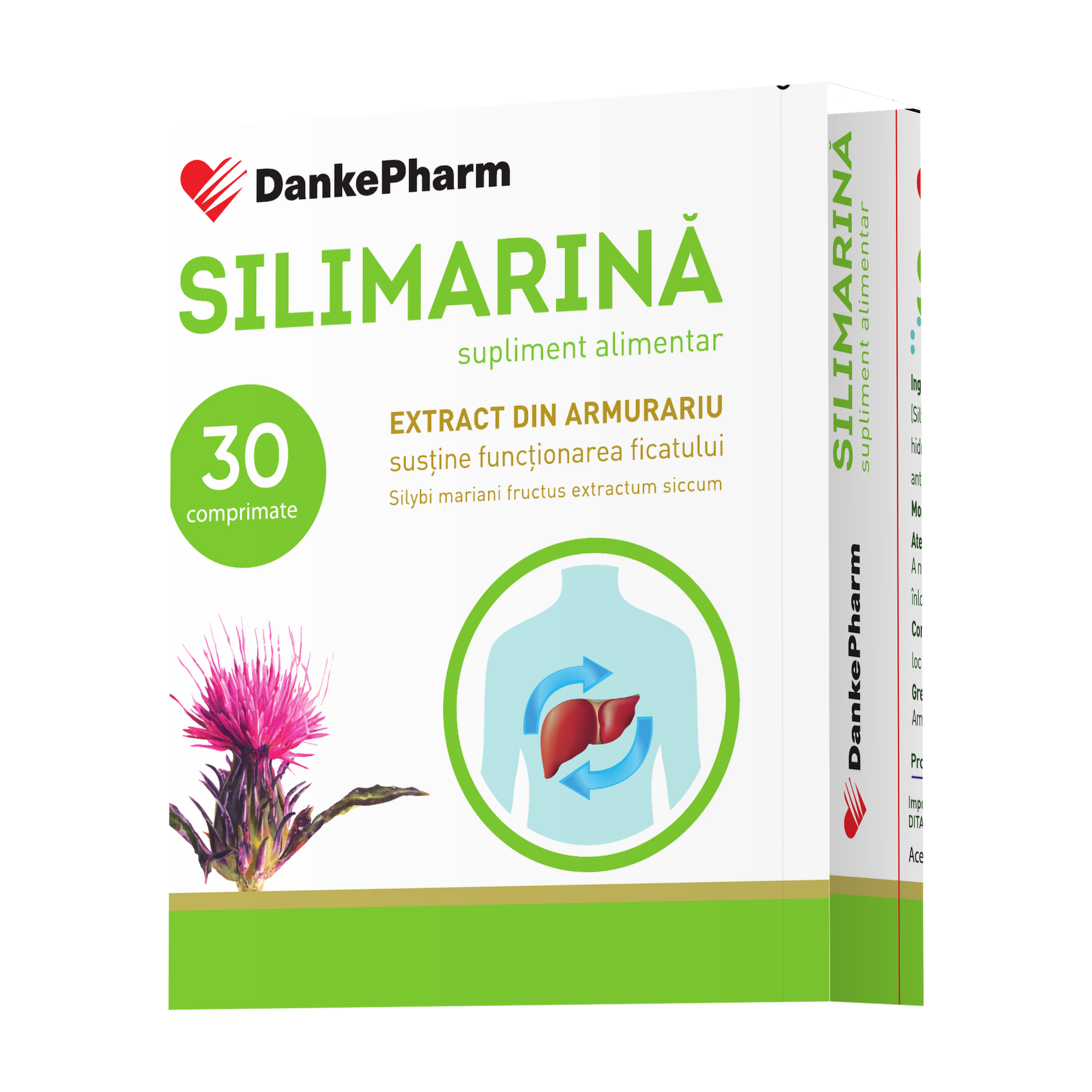
Milk Thistle and Silymarin: A European Perspective on Benefits
DANKEPHARM · 10 min read · Nutriție · 03/08/2026
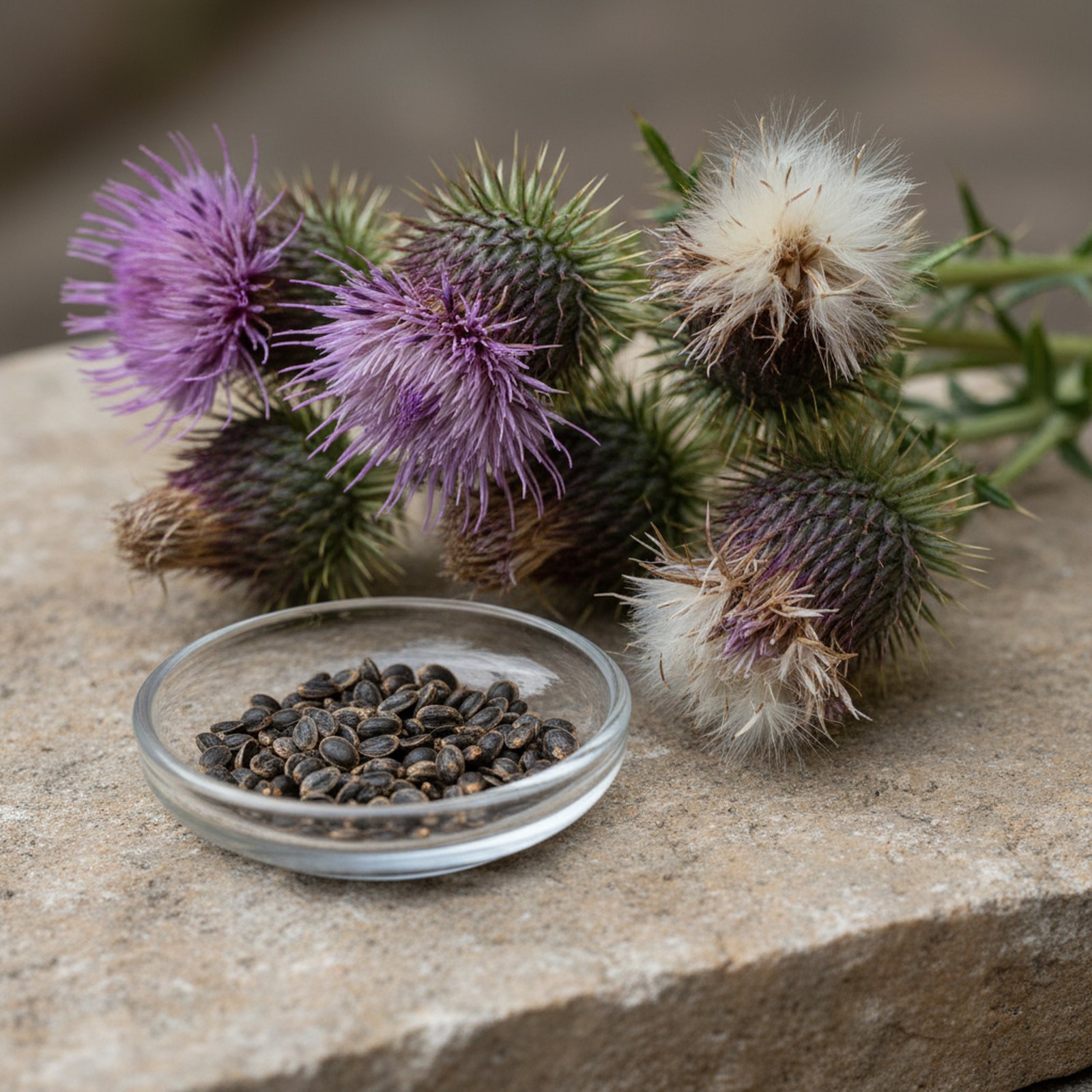
Milk thistle (Silybum marianum) is a plant with a rich history in traditional medicine, and its extract, silymarin, is attracting growing interest in the scientific community. We explore its composition, traditional uses, and current research.
Milk Thistle (Silybum marianum): A Plant with Deep Historical Roots
Milk thistle, scientifically known as Silybum marianum, is a plant native to the Mediterranean region but acclimatized in many other parts of the world. Its distinctive appearance, with glossy, white-speckled leaves and purple flowers, has also earned it the popular name “St. Mary's Thistle”. Over the centuries, milk thistle has been prized in various cultures for its properties, being mentioned in ancient writings as a natural remedy. The tradition of using this plant is vast, extending from Ancient Greece and the Roman Empire to medieval European folk medicine. In those times, various parts of the plant – seeds, leaves, roots – were used in empirical preparations, often in the form of decoctions or infusions. Interest in milk thistle has remained constant, evolving with scientific progress, which has allowed for the isolation and study of the active compounds responsible for the plant's attributed effects.
Silymarin: Composition and Standardization of the Extract
Silymarin is not a single substance, but a complex of flavonoids, the most important being silybin (or silybin A and silybin B), isosilybin, silicristin, and silydianin. These components are particularly concentrated in the plant's seeds. An essential aspect of the therapeutic valorization of milk thistle is the standardization of extracts. This means that products available on the market are manufactured to contain a specific, defined concentration of total silymarin, usually expressed as a percentage of the extract's weight. The standardization process ensures the consistency and reproducibility of the quantity of active compounds present in each dose, thus allowing for more precise use and a more rigorous evaluation of effects. Standardized silymarin extracts are obtained through complex extraction processes that aim to maximize the concentration of bioactive compounds while eliminating unwanted substances. This endeavor is crucial to ensure the quality and efficacy of food supplements.
Traditional Use and What is Currently Being Studied
Prior Traditional Uses
While no therapeutic claims are currently made for milk thistle, its uses were diverse in the past. In certain traditional folk medicines, milk thistle was valued for the support it was believed to offer to bile function and for its properties. It was often used in “detoxification” cures or for “blood purification,” concepts that today have a much more nuanced scientific understanding. Also, in some cultures, it was used to support digestion or to alleviate certain abdominal discomforts. These uses, though part of cultural heritage, are distinct from modern scientific rigor and validations.
Current Research Directions
Currently, scientific interest in milk thistle and silymarin focuses on understanding their mechanisms of action and evaluating their potential in the context of rigorous clinical studies. Research extends across multiple fronts, from investigating silymarin's antioxidant properties to how it might influence certain metabolic processes at the cellular level. An active area of study is related to silymarin's ability to contribute to the maintenance of normal liver function, considering the liver's role in body detoxification and metabolism. The impact of silymarin on oxidative stress and certain cellular signaling pathways is also being explored. It is important to emphasize that this research is ongoing and requires further validation before definitive conclusions can be drawn.
Silymarin Bioavailability and Limits of Permitted Claims
Bioavailability refers to the proportion of an active substance that reaches systemic circulation and is available to produce an effect. In the case of silymarin, its natural bioavailability can be limited. This aspect has led to the development of advanced formulations aimed at optimizing absorption and, implicitly, efficacy. Techniques such as encapsulation in phytosomes or the use of specific excipients can contribute to increasing the bioavailability of the flavonoid complex. By improving bioavailability, a larger amount of silymarin can reach the target tissues, thus amplifying its beneficial action. On the European food supplement market, health claims are strictly regulated by the European Food Safety Authority (EFSA). In the context of milk thistle and silymarin, permitted claims refer to its ability to contribute to normal liver function and to protect cells from oxidative stress. It is crucial for supplement manufacturers and distributors to comply with these regulations, avoiding any claims that might suggest treating, preventing, or curing a disease. Food supplements containing milk thistle are intended to support the body's normal physiological functions, not to replace medicinal treatment.
Frequently Asked Questions
What exactly is silymarin?
Silymarin is not a single substance, but a complex of flavonoids, bioactive compounds found in the seeds of the Milk Thistle plant (Silybum marianum). The best-known components of silymarin are silybin, isosilybin, silicristin, and silydianin.
How is silymarin extract standardized?
Standardization of silymarin extract involves manufacturing processes that ensure the final product contains a specific and constant concentration of total silymarin. This allows for precise dosing and reproducibility of effects in studies and in use.
What health claims are permitted for milk thistle in the EU?
According to EU regulations, milk thistle can be associated with health claims referring to its contribution to normal liver function and to protecting cells against oxidative stress. Claims implying the treatment or cure of conditions are not permitted.
Who should avoid silymarin products?
While generally well-tolerated, silymarin may interact with certain medications or may be contraindicated in specific conditions. It is always recommended to consult a doctor or pharmacist before starting any food supplement, especially if you are pregnant, breastfeeding, or have pre-existing conditions.
Conclusion
Milk thistle and its extract, silymarin, represent a subject of continuous interest in both traditional medicine and modern research. Silymarin's complex composition and its long tradition of use highlight the plant's potential in supporting certain physiological functions. Current studies focus on elucidating the mechanisms of action and evaluating the effects in the context of rigorous scientific protocols, while respecting strict regulations regarding health claims. For those interested in complementing a balanced diet and healthy lifestyle with a silymarin-containing supplement, DANKEPHARM products offer options formulated according to European standards. It is important to remember that food supplements should not replace a varied and balanced diet and a healthy lifestyle. Always consult a specialist before introducing new supplements into your routine.
The information in this article is general and does not replace advice from a doctor or pharmacist. Food supplements are not a substitute for a varied, balanced diet and a healthy lifestyle.
- #armurariu
- #silimarina
- #plante