Daily Habits for Normal Liver Metabolism
DANKEPHARM · 10 min read · Nutriție · 03/08/2026

The liver, a vital organ, plays a central role in numerous metabolic processes. Adopting healthy habits is essential for maintaining its optimal function.
The Liver's Importance in Metabolism
The liver is the largest glandular organ in the human body and performs a multitude of essential functions for health. It is involved in carbohydrate, protein, and fat metabolism, detoxification of harmful substances, storage of vitamins and minerals, production of bile necessary for fat digestion, and regulation of blood sugar levels. Therefore, maintaining liver health is fundamental for the proper functioning of the entire organism. A balanced lifestyle, including judicious dietary choices and regular physical activity, significantly contributes to supporting hepatic metabolic functions.
Risk Factors for Liver Health and Management Strategies
Alcohol and its Impact on the Liver
Excessive and prolonged alcohol consumption is one of the most well-known causes of liver damage. The liver is responsible for metabolizing alcohol, and toxic substances are generated in this process. In the long term, this can lead to hepatic steatosis (fat accumulation in the liver), alcoholic hepatitis, and ultimately, cirrhosis. Limiting or avoiding alcohol consumption is a crucial measure for protecting liver health. General recommendations emphasize moderation, and in the case of pre-existing conditions, abstinence may be necessary.
Body Weight and Ultra-Processed Foods
Obesity and overweight are major risk factors for the development of non-alcoholic fatty liver disease (NAFLD), a condition characterized by fat accumulation in the liver, similar to that caused by alcohol, but in individuals who consume little or no alcohol. Frequent consumption of ultra-processed foods, rich in refined sugars, saturated and trans fats, and salt, contributes to weight gain and metabolic dysfunctions that affect the liver. Adopting a balanced diet, rich in fruits, vegetables, whole grains, and lean proteins, along with maintaining a healthy body weight, is essential for supporting liver metabolism.
The Role of Dietary Fiber, Coffee, and Physical Activity
Dietary fibers, abundant in fruits, vegetables, legumes, and whole grains, play an important role in digestive and metabolic health. They contribute to maintaining regular bowel movements and can positively influence lipid and glucose metabolism, aspects relevant to liver health. Moderate coffee consumption has been associated in some studies with benefits for the liver, contributing to a reduced risk of liver diseases. The exact mechanisms are complex and involve bioactive compounds in coffee with antioxidant and anti-inflammatory properties. Regular physical activity, in addition to its general health benefits, helps maintain a healthy body weight and improve insulin sensitivity, contributing to optimal liver function.
Sleep: An Often-Neglected Factor
Sleep quality and duration profoundly influence metabolic health, including that of the liver. Insufficient or disturbed sleep can lead to hormonal imbalances, increased insulin resistance, and inflammation, factors that can negatively affect liver function. Ensuring a regular and restful sleep schedule, approximately 7-9 hours per night for adults, is an important component of a healthy lifestyle and contributes to the body's regeneration and detoxification processes, including at the hepatic level.
Nutritional Support for Liver Function: Phospholipids and Herbal Extracts
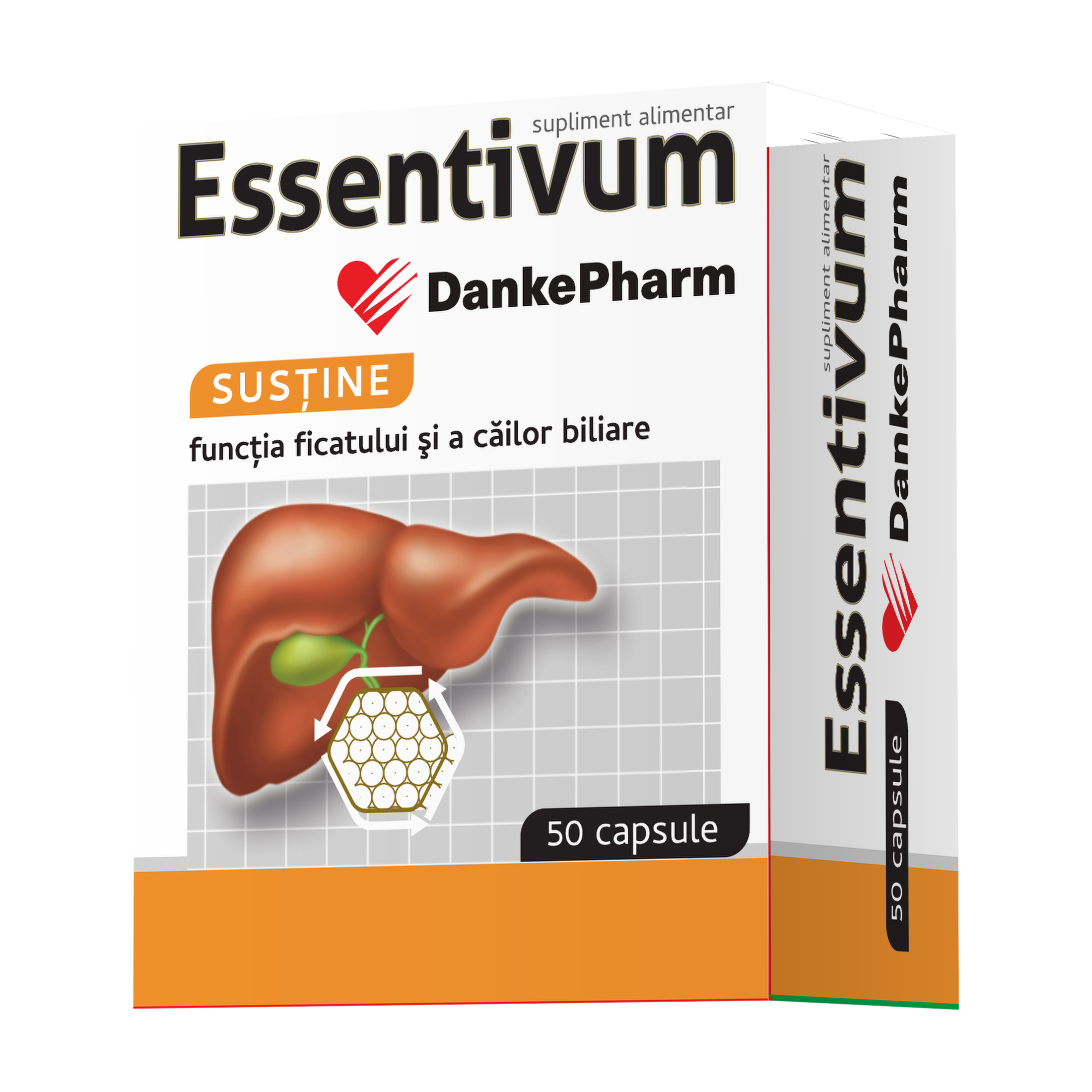
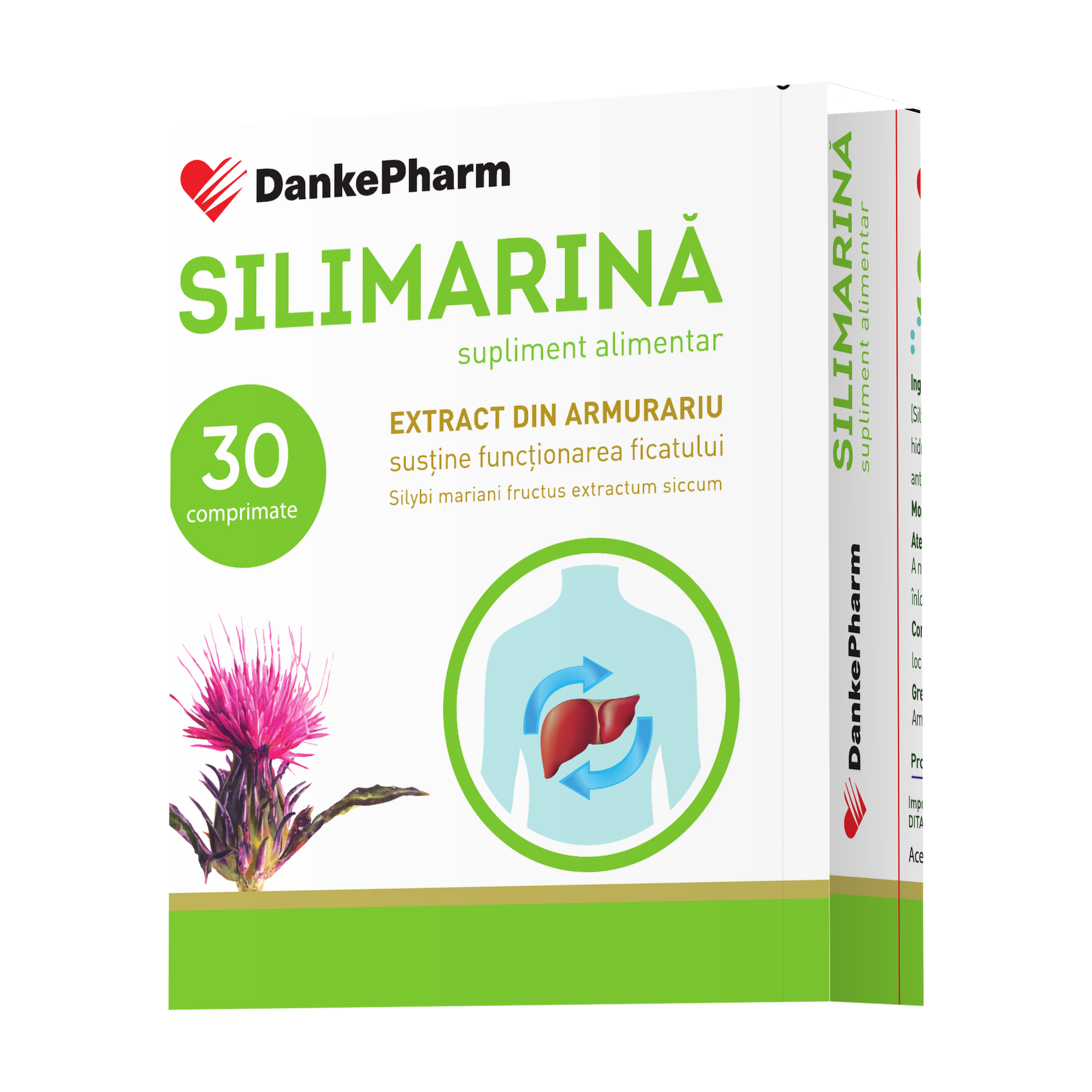
Essential phospholipids, such as phosphatidylcholine, are major structural components of liver cell membranes. They contribute to maintaining the integrity and functionality of these membranes, playing a role in cell regeneration processes and lipid transport. Furthermore, traditional herbal extracts, such as those derived from milk thistle (Silybum marianum), have been used for centuries to support liver function. Silymarin, a complex of flavonoids from milk thistle, contributes to protecting liver cells from the action of free radicals and maintaining the liver's detoxification capacity. These active substances can play a complementary role in the context of a healthy lifestyle, contributing to liver well-being.
Frequently Asked Questions
What is non-alcoholic fatty liver disease?
Non-alcoholic fatty liver disease (NAFLD) is a condition characterized by excessive fat accumulation in liver cells, unrelated to significant alcohol consumption. It is often associated with obesity, type 2 diabetes, and metabolic syndrome, and its management involves lifestyle modifications.
How can diet and exercise contribute to liver health?
A diet rich in fruits, vegetables, whole grains, and lean proteins, along with reduced consumption of refined sugars and unhealthy fats, contributes to maintaining an optimal body weight and reducing stress on the liver. Regular physical exercise supports metabolism and helps with weight management, improving insulin sensitivity.
Is coffee beneficial or harmful to the liver?
Moderate coffee consumption has been associated in various studies with a reduced risk of certain liver conditions, including fibrosis and cirrhosis. This is due to the bioactive compounds in coffee, which can have antioxidant and anti-inflammatory effects. However, excess can also have undesirable effects, and individualization is important.
What role do phospholipids play in liver health?
Phospholipids, especially phosphatidylcholine, are essential components of liver cell membranes. they contribute to maintaining the structural and functional integrity of these membranes, supporting regeneration processes and contributing to normal lipid metabolism at the hepatic level.
Conclusion
The liver is an organ with complex and essential metabolic roles for health. Adopting a healthy lifestyle, which includes a balanced diet, maintaining a normal body weight, limiting alcohol consumption, regular physical activity, and restful sleep, represents the main pillars in supporting liver function. To complement these efforts, DANKEPHARM offers products such as Essentivum, which contains essential phospholipids, and Silimarina, based on milk thistle extract, which contribute to naturally supporting liver function. It is important to remember that food supplements should not replace a varied and balanced diet and a healthy lifestyle.
The information in this article is general and does not replace advice from a doctor or pharmacist. Food supplements are not a substitute for a varied, balanced diet and a healthy lifestyle.
- #ficat
- #nutritie
- #obiceiuri