
Essential Phospholipids: Role and Health Implications
· 8 min read · Nutriție · 03/08/2026
Essential phospholipids are fundamental components of all cell membranes, playing a crucial role in cellular integrity and function. This article explores their structural and functional importance, main sources, and administration methods, with an emphasis on studies concerning liver function.
The Importance of Essential Phospholipids in Cellular Structure
Essential phospholipids represent a class of lipids with a particular structure, characterized by a hydrophilic head (water-loving) and a hydrophobic tail (water-repelling). This amphiphilic configuration allows them to spontaneously form bilayer structures, constituting the basis of all cell membranes in the body. These membranes are not just simple physical barriers; they are dynamic structures, essential for regulating substance transport, intercellular communication, and the unfolding of numerous vital biochemical processes. The integrity and fluidity of cell membranes largely depend on the composition and availability of essential phospholipids.
Beyond their structural role, essential phospholipids are also involved in various functional processes. They can act as precursors for intracellular secondary messengers, participate in the activation of certain membrane enzymes, and contribute to maintaining an adequate environment for the function of proteins inserted into membranes. Therefore, an adequate intake of essential phospholipids is considered important for maintaining cellular health and organ functionality.
Natural Sources and the Role of Soy Phospholipids
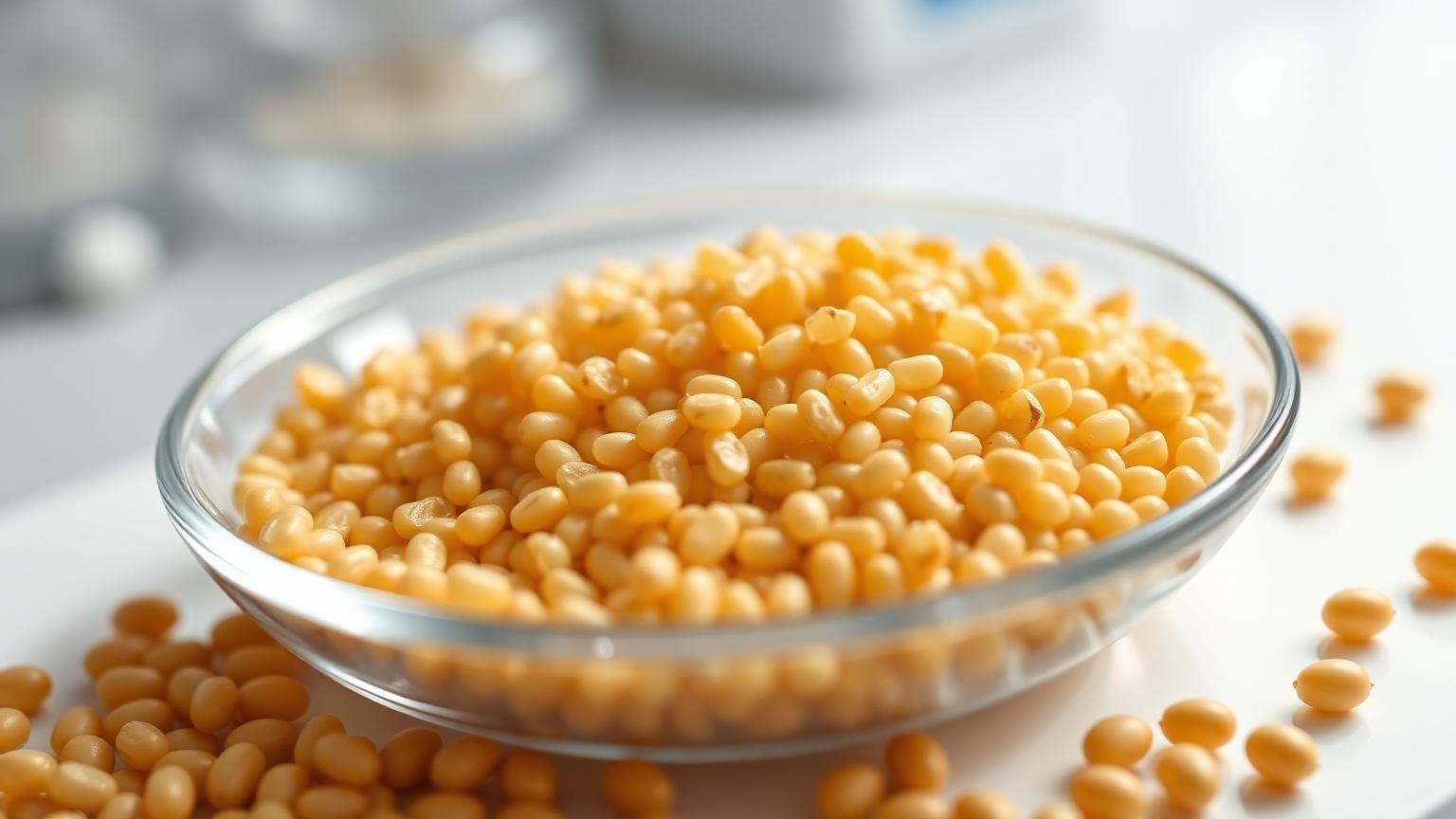
Essential phospholipids are present in a variety of foods, but an important and well-studied source is soy. Soy lecithin, in particular, is rich in phosphatidylcholine, phosphatidylethanolamine, and phosphatidylinositol, which are considered essential phospholipids. These components are extracted from soybeans and are widely used in the food industry and in food supplements. Phosphatidylcholine, in particular, is notable not only for its structural role but also for being a source of choline, a nutrient involved in numerous metabolic processes, including the synthesis of acetylcholine, an essential neurotransmitter.
Soy phospholipids have been the subject of numerous studies, which have explored their potential in various contexts. Due to their composition, they are considered valuable for supporting cellular integrity and, implicitly, for the normal functioning of various tissues and organs. The quality and purity of phospholipid extracts are important factors to consider when choosing a food supplement.
Essential Phospholipids and Liver Function
The liver is a vital organ with complex functions, including detoxification, protein synthesis, and lipid and carbohydrate metabolism. Liver cells, hepatocytes, are intensely involved in these processes, and their cell membranes play a crucial role in liver functionality. Studies have investigated the role of essential phospholipids in maintaining liver health and supporting cellular regeneration processes. It is believed that essential phospholipids can contribute to the stability and fluidity of hepatocyte membranes, thereby favoring normal metabolic processes and efficient substance transport.
An important aspect is the ability of essential phospholipids to be incorporated into damaged cell membranes, helping to repair their structure and function. Choline, a component of phosphatidylcholine, contributes to normal lipid metabolism and the maintenance of normal liver function. These mechanisms suggest a supportive role for essential phospholipids in maintaining optimal liver function, in the context of a balanced diet and a healthy lifestyle.
Practical Considerations Regarding the Administration of Essential Phospholipids
Food supplements containing essential phospholipids, such as those derived from soy, are available on the market in various forms, most often as capsules. It is important to follow the usage instructions indicated on the product packaging. Typically, administration is oral, with liquids, preferably during meals for optimal absorption. The duration of administration may vary depending on individual needs and specialist recommendations. Individuals with known soy allergies should avoid soy-derived products.
As with any food supplement, it is recommended to consult a healthcare professional before starting administration, especially for individuals with pre-existing conditions or who are taking other medications. Food supplements should not replace a varied and balanced diet and a healthy lifestyle. A diet rich in fruits, vegetables, whole grains, and lean proteins, along with adequate hydration and regular physical exercise, remain the main pillars of health.
The information in this article is general and does not replace advice from a doctor or pharmacist. Food supplements are not a substitute for a varied, balanced diet and a healthy lifestyle.
- #fosfolipide
- #ficat
- #membrane celulare