Essential Micronutrients: Vitamins D, C, Magnesium, Zinc, and More
DANKEPHARM · 10 min read · Nutriție · 03/08/2026

We explore the fundamental role of key micronutrients such as vitamins D, C, B, iron, magnesium, zinc, and iodine for optimal body function. Discover where to find them in your diet and how to ensure a balanced intake, avoiding excesses.
Introduction to the World of Essential Micronutrients
The human body is a complex system, and its optimal functioning depends on a multitude of factors, including an adequate intake of micronutrients. Although required in small quantities, these are indispensable for the normal unfolding of biological processes. Vitamins and minerals act as enzymatic cofactors, participate in DNA synthesis, oxygen transport, and maintaining the structural integrity of tissues. A varied and balanced diet represents the main source of micronutrients, but the modern lifestyle and environmental factors can sometimes influence the body's ability to obtain the necessary quantities exclusively from food. In the following, we will explore the role of some important micronutrients and provide information on their food sources and the importance of avoiding excess.
Vitamin D: More Than Bone Health
The Role of Vitamin D in the Body
Vitamin D is primarily recognized for its role in maintaining healthy bones and teeth, contributing to the normal absorption and utilization of calcium and phosphorus. In addition to these functions, vitamin D also contributes to the normal function of the immune system and the maintenance of normal muscle function. The human body has the ability to synthesize vitamin D in the skin under the action of ultraviolet B (UVB) rays from the sun, but insufficient sun exposure, especially in colder months, can limit this synthesis. Besides sun exposure, certain foods can contribute to vitamin D intake.
Food Sources and Recommended Intake
Food sources of vitamin D include fatty fish, such as salmon, mackerel, and herring, as well as cod liver oil. Also, UV-exposed mushrooms can contain vitamin D. Some fortified foods, such as milk, certain breakfast cereals, and orange juice, can contribute to vitamin D intake. It is important to adhere to recommended doses to avoid excessive intake, which, although rare from food or sun exposure, can be a concern with uncontrolled supplementation. Excess vitamin D may contribute to hypercalcemia, an accumulation of calcium in the blood.
Vitamin C, Magnesium, and Zinc: Support for Immunity and Metabolism
Vitamin C: Antioxidant and Immune Support
Vitamin C, or ascorbic acid, is an essential nutrient known for its antioxidant properties, contributing to the protection of cells from oxidative stress. Vitamin C also contributes to the normal function of the immune system and to normal collagen formation for the normal function of skin, blood vessels, bones, cartilage, gums, and teeth. It is a water-soluble nutrient, meaning the body does not store it in large quantities, requiring constant intake. Foods such as citrus fruits, kiwi, strawberries, bell peppers, broccoli, and spinach are rich sources of vitamin C. Excessive intake of vitamin C from food is rare, but very high doses from supplements may contribute to digestive disorders.
Magnesium: The Relaxation Mineral
Magnesium is an essential mineral involved in over 300 enzymatic reactions in the body. It contributes to the reduction of tiredness and fatigue, to electrolyte balance, to normal energy-yielding metabolism, to the normal functioning of the nervous and muscular systems, to normal protein synthesis, and to the maintenance of normal psychological function. It also contributes to the maintenance of normal bones and teeth and plays a role in the process of cell division. Nuts, seeds, dark leafy green vegetables, whole grains, and legumes are good sources of magnesium. Excess magnesium from food is also uncommon, but excessive intake from supplements may contribute to laxative effects and, in rare cases, to more severe disorders, especially in people with kidney conditions.
Zinc: Pillar of the Immune System
Zinc is a vital trace element that contributes to the normal function of the immune system and to the protection of cells from oxidative stress. It contributes to the maintenance of normal hair, skin, and nails, to normal macronutrient metabolism, and to normal cognitive function. Good sources of zinc include red meat, poultry, oysters and other seafood, legumes, nuts, and seeds. Although necessary, excess zinc may contribute to copper deficiencies and immune disorders, which is why it is important to adhere to recommended doses.
B Vitamins, Iron, and Iodine: Energy and Vital Functions
B Vitamins: The Energy Complex
The B vitamin complex includes eight water-soluble vitamins: B1 (thiamine), B2 (riboflavin), B3 (niacin), B5 (pantothenic acid), B6 (pyridoxine), B7 (biotin), B9 (folate), and B12 (cobalamin). These contribute to normal energy-yielding metabolism and to the normal functioning of the nervous system. For example, vitamin B12 contributes to normal red blood cell formation and to the reduction of tiredness and fatigue. B vitamins are found in a wide variety of foods, including meat, fish, eggs, dairy products, green vegetables, whole grains, and legumes. Being water-soluble, excess is rarely eliminated through urine, but massive long-term intake from supplements may be associated with certain adverse effects, depending on the specific B vitamin.
Iron: Essential for Oxygen Transport
Iron is an essential mineral that contributes to normal red blood cell and hemoglobin formation and to normal oxygen transport in the body. It also contributes to normal cognitive function and to the reduction of tiredness and fatigue. There are two forms of iron in food: heme iron, found in animal products (red meat, organ meats, poultry, fish), and non-heme iron, found in plant foods (legumes, spinach, seeds). The absorption of non-heme iron is enhanced by the presence of vitamin C. Excess iron, especially from supplements, can be harmful, contributing to digestive problems and, in severe cases, to accumulation in organs, with potential damage.
Iodine: Crucial for Thyroid Function
Iodine is an essential trace element for the normal production of thyroid hormones and for the normal function of the thyroid gland. Thyroid hormones play a crucial role in regulating metabolism, growth, and development. Primary food sources of iodine include marine fish, seafood, sea algae, and dairy products. Iodized salt is an important source of iodine in many regions. Both deficiency and excess iodine can contribute to thyroid dysfunction, highlighting the importance of maintaining a balance. Excess iodine is more likely to occur due to excessive consumption of sea algae or uncontrolled supplementation.
Frequently Asked Questions
How can I know if I have a micronutrient deficiency?
Identifying a micronutrient deficiency often requires medical tests and a clinical evaluation. Symptoms can be varied and non-specific, overlapping with those of other conditions. It is recommended to discuss with your doctor if you suspect a deficiency.
Can food supplements replace a balanced diet?
No, food supplements are designed to complement a balanced diet, not to replace it. They can be useful in specific situations when dietary intake is insufficient or when there are increased needs, but they cannot substitute the variety and nutritional complexity of whole foods.
What does "excessive intake" mean and how can I avoid it?
Excessive intake refers to consuming micronutrients in quantities much higher than recommended, which can be harmful. To avoid excess, it is important to adhere to the doses indicated on supplement labels and to consult a specialist before starting a supplementation regimen, especially if you are using multiple products simultaneously.
Can I get all the micronutrients I need from my diet?
In principle, a varied and balanced diet, rich in fruits, vegetables, whole grains, lean proteins, and healthy fats, can provide most micronutrients. However, certain factors such as dietary restrictions, medical conditions, lifestyle, or life stages (pregnancy, lactation) can increase requirements, making supplementation a considered option.
Conclusion
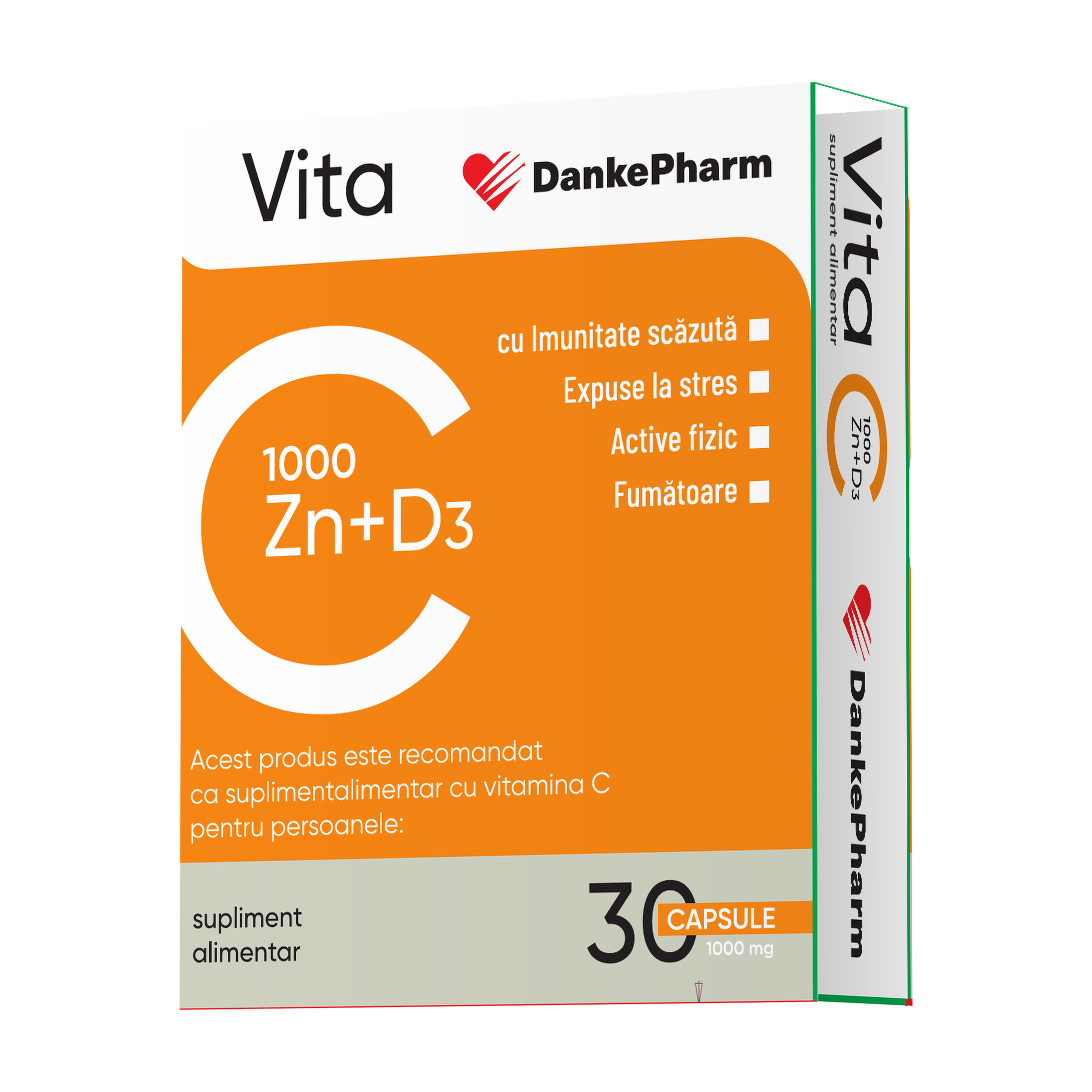
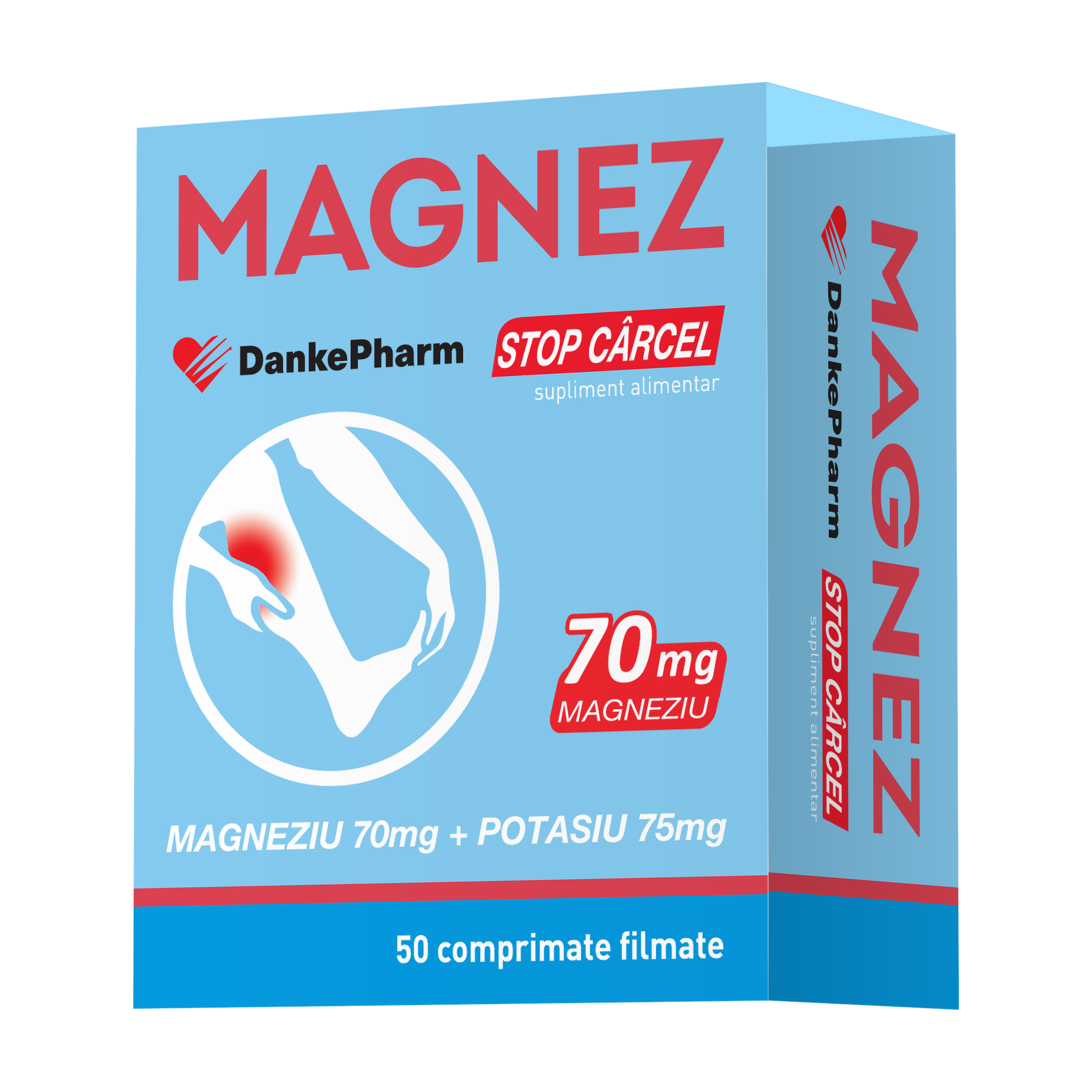
Micronutrients are vital elements that support numerous normal functions in the body, from energy metabolism and immunity, to bone health and the nervous system. An understanding of their role and food sources is fundamental for maintaining overall well-being. Ensuring a balanced intake, primarily through diet, and avoiding both deficiencies and excesses, are key aspects. In certain circumstances, food supplements can contribute to complementing nutritional intake. For example, products such as DANKEPHARM vita-c-1000-zn-d3, which combines vitamin C, zinc, and vitamin D, or DANKEPHARM magnez, can be considered as part of an integrated approach to supporting overall well-being. We reiterate that food supplements should not replace a varied and balanced diet and a healthy lifestyle.
The information in this article is general and does not replace advice from a doctor or pharmacist. Food supplements are not a substitute for a varied, balanced diet and a healthy lifestyle.
- #micronutrienti
- #ghid
- #nutritie